TRT Guide

Who This Guide Is For

This article is for men who feel that something has changed in their energy, strength, mood, or sexual health and want a medically sound explanation. It is for men over 30 who notice fatigue, reduced libido, slower recovery from exercise, increased body fat, or difficulty concentrating. It is also for partners who want to understand what their spouse is experiencing.

If you value evidence based medicine and want to make informed decisions rather than follow online hype, this guide is written for you.

What Is Testosterone Replacement Therapy

Testosterone Replacement Therapy, commonly called TRT, is a medical treatment that restores testosterone levels in men who have clinically low testosterone. Doctors diagnose low testosterone through blood testing combined with symptoms.

Testosterone is the primary male sex hormone. It influences muscle mass, bone density, red blood cell production, mood, libido, and cognitive function. Levels naturally decline with age, but in some men the drop becomes significant enough to cause health and quality of life issues.

TRT aims to bring testosterone levels back into a healthy physiological range, not to create supraphysiological levels used in performance enhancement.

Understanding Low Testosterone

Low testosterone is also known as male hypogonadism. It can result from problems in the testes or from dysfunction in the hypothalamus or pituitary gland.

Common causes include:

  • Age related decline

  • Obesity and metabolic syndrome

  • Chronic stress

  • Sleep disorders

  • Type 2 diabetes

  • Certain medications

  • Previous anabolic steroid misuse

Symptoms often develop gradually. Many men dismiss them as normal aging. However, persistent symptoms combined with confirmed low serum testosterone require medical evaluation.

Common Symptoms

Men with low testosterone often report:

  • Low energy and fatigue

  • Reduced sex drive

  • Erectile dysfunction

  • Loss of muscle mass

  • Increased body fat

  • Decreased motivation

  • Depressed mood

  • Poor concentration

  • Reduced morning erections

No single symptom confirms low testosterone. Doctors assess the full clinical picture.

How Doctors Diagnose Testosterone Deficiency

Accurate diagnosis requires blood testing. Doctors measure total testosterone in the morning when levels peak. If results show low values, they repeat the test to confirm.

Clinicians may also measure:

  • Free testosterone

  • Luteinizing hormone

  • Follicle stimulating hormone

  • Sex hormone binding globulin

  • Prolactin

  • Thyroid function

  • Full blood count

This broader evaluation helps determine whether the issue originates in the testes or in central hormone regulation. It also identifies underlying conditions that need treatment.

Clinics such as Youth Revisited follow structured medical assessment protocols rather than prescribing based solely on symptoms.

Benefits of Testosterone Replacement Therapy

When prescribed appropriately, TRT can improve multiple aspects of health and wellbeing.

Improved Energy and Vitality

Many men report increased physical and mental energy within weeks of starting treatment. Restoring normal hormone levels supports mitochondrial function and red blood cell production, which enhance oxygen delivery.

Enhanced Libido and Sexual Function

Testosterone plays a central role in sexual desire. Men with low levels often experience reduced libido. TRT can restore sexual interest and improve erectile function when deficiency is the cause.

Increased Muscle Mass and Strength

Testosterone supports protein synthesis and muscle maintenance. After treatment begins, men often regain lean body mass and improve strength, especially when combined with resistance training.

Reduced Body Fat

Low testosterone associates with increased visceral fat. By restoring hormonal balance, TRT can help improve body composition alongside proper nutrition and exercise.

Improved Mood and Cognitive Clarity

Some men experience irritability, low mood, or brain fog when testosterone drops. Balanced hormone levels may improve confidence, motivation, and focus.

Bone Density Support

Testosterone contributes to bone mineral density. Untreated deficiency increases fracture risk over time. TRT supports skeletal health, particularly in older men.

Forms of Testosterone Therapy

Doctors tailor TRT to the individual. Several administration methods exist.

Injectable Testosterone

Intramuscular or subcutaneous injections are common. Patients receive them weekly or every 2 weeks depending on the protocol. Injections allow precise dose control and predictable absorption.

Transdermal Gels

Patients apply gels daily to the skin. The hormone absorbs gradually. Gels provide stable levels but require consistent daily application and care to avoid transfer to others.

Patches

Skin patches release testosterone over 24 hours. Some men experience skin irritation, which limits use.

Pellets

Small pellets implanted under the skin release testosterone over several months. This option suits men who prefer less frequent dosing.

A qualified clinician evaluates lifestyle, convenience, medical history, and preference before recommending a method.

Safety and Monitoring

TRT requires ongoing monitoring. Responsible clinics do not prescribe without follow up.

Doctors regularly check:

  • Testosterone levels

  • Hematocrit and hemoglobin

  • Prostate specific antigen

  • Liver markers

  • Lipid profile

Monitoring ensures that levels remain within a physiological range and that no adverse effects develop.

Read more about TRT on healthline

Potential Risks

When managed properly, TRT is generally safe. However, risks can include:

  • Elevated red blood cell count

  • Fluid retention

  • Acne

  • Mild breast tenderness

  • Fertility suppression

Men who wish to preserve fertility should discuss alternatives or adjunct therapies. Exogenous testosterone can suppress natural sperm production.

TRT does not cause prostate cancer, but clinicians monitor prostate health carefully in line with current medical guidelines.

TRT and Fertility Considerations

Testosterone therapy can reduce sperm production because it suppresses luteinizing hormone and follicle stimulating hormone.

Men who want children should discuss options such as:

  • Human chorionic gonadotropin therapy

  • Selective estrogen receptor modulators

  • Delayed TRT initiation

A tailored approach protects reproductive goals.

Lifestyle Still Matters

TRT is not a substitute for healthy living. Even with optimal hormone levels, poor lifestyle choices limit results.

Men should prioritize:

  • Resistance training 3 to 4 times per week

  • Adequate protein intake

  • 7 to 9 hours of quality sleep

  • Stress management

  • Weight control

  • Limited alcohol consumption

Lifestyle optimization can also improve testosterone naturally in borderline cases.

Myths About Testosterone Therapy

Misinformation spreads easily online. It is important to separate evidence from exaggeration.

Myth 1: TRT Is Only for Bodybuilders

Medical TRT differs from performance enhancing steroid use. Doctors prescribe therapeutic doses to restore normal levels, not to create extreme muscle gain.

Myth 2: TRT Is Dangerous for the Heart

Earlier concerns about cardiovascular risk created confusion. Current evidence suggests that properly monitored TRT in men with deficiency does not increase cardiovascular events and may improve metabolic markers.

Myth 3: You Can Start and Stop Anytime

Hormone therapy requires structured management. Abrupt discontinuation can cause symptoms because the body needs time to restart natural production.

Myth 4: All Fatigue Means Low Testosterone

Fatigue can result from thyroid disorders, anemia, depression, sleep apnea, or nutritional deficiencies. A comprehensive evaluation ensures correct diagnosis.

The TRT Treatment Process

A structured pathway ensures safety and effectiveness.

1. Initial Consultation

The clinician reviews symptoms, medical history, medications, and lifestyle. They discuss goals and expectations.

2. Laboratory Testing

Blood tests confirm whether testosterone levels are low. Doctors repeat abnormal results to confirm accuracy.

3. Treatment Planning

If deficiency exists, the clinician explains options, risks, benefits, and monitoring requirements. Informed consent is essential.

4. Therapy Initiation

Treatment begins at a calculated dose. Patients receive education on administration if injections or gels are prescribed.

5. Follow Up and Adjustment

Doctors reassess symptoms and blood levels after several weeks. They adjust dosing if necessary to maintain optimal levels.

This structured approach reduces risk and improves outcomes.

Get Your TRT Now

Psychological and Emotional Impact

Low testosterone affects more than physical health. Many men report reduced confidence, social withdrawal, and relationship strain.

When therapy restores hormonal balance, emotional resilience often improves. However, TRT is not a replacement for psychological support when mental health conditions are present. A holistic approach delivers the best outcomes.

When TRT Is Not Appropriate

TRT is not suitable for every man. Doctors may avoid treatment in men with:

  • Untreated prostate or breast cancer

  • Severe untreated sleep apnea

  • High hematocrit

  • Uncontrolled heart failure

A careful risk assessment protects patient safety.

Expectations and Timeline

Improvements occur gradually.

  • Libido changes may appear within 3 to 6 weeks

  • Energy improvements often develop within 4 to 8 weeks

  • Body composition changes require 3 to 6 months

  • Bone density improvement may take 12 months or longer

Patients should approach therapy as a long term health strategy rather than a quick fix.

Long Term Commitment

TRT often becomes an ongoing therapy. When underlying testicular function cannot recover, stopping treatment can lead to symptom return.

Some men choose to discontinue under medical supervision. Doctors may use post therapy protocols to support natural hormone production where possible.

Making an Informed Decision

Before starting TRT, ask yourself:

  • Do I have persistent symptoms?

  • Have blood tests confirmed deficiency on 2 occasions?

  • Have I addressed lifestyle factors?

  • Do I understand the commitment to monitoring?

A reputable clinic provides transparent guidance, clear follow up, and evidence based recommendations.

Frequently Asked Questions

What testosterone level is considered low

Most laboratories define low total testosterone as below approximately 8 to 12 nmol per litre, depending on reference ranges. Diagnosis depends on both lab values and symptoms.

How long will I need to stay on TRT

Many men continue long term. The duration depends on the cause of deficiency and whether natural production can recover.

Does TRT increase prostate cancer risk

Current evidence does not show that TRT causes prostate cancer. Doctors monitor prostate health routinely during treatment.

Will TRT make me infertile

TRT can reduce sperm production. Men who want children should discuss fertility preserving strategies before starting therapy.

Can I boost testosterone naturally instead

In cases of borderline levels, weight loss, strength training, sleep optimization, and reduced alcohol intake may improve testosterone. Clinically low levels often require medical treatment.

Is TRT safe for men over 50

Yes, when medically indicated and monitored properly. Age alone does not disqualify someone from therapy.

How quickly will I feel better

Some men notice improvements within 4 to 6 weeks, but full benefits may take several months.

Professional Athlete And The Science Behind Peak Performance

Elite Athlete performance is not built on talent alone. Every professional athlete relies on data to refine training, prevent injury, and extend career longevity. In modern olympic sports, including soccer, womens football, and track and field, blood testing has become a core performance tool rather than a medical afterthought.

From famous athletes competing in olympic events to emerging female athletes preparing for the 2028 summer olympics, physiological monitoring separates good from world class. A full blood check or complete blood tests provide measurable insight into recovery, endurance, hormone balance, and metabolic efficiency.

This guide explains how blood screening supports professional athletes and why structured testing can optimise performance safely and ethically.

Who Is This Blog For

This article is for:

  • Professional athletes and aspiring competitors
    • Coaches and performance directors in soccer and womens football
    • Track and field competitors and endurance athletes
    • Sports medicine practitioners
    • Health conscious individuals who want data driven optimisation

Whether you are training for olympic events or competing at club level, understanding blood biomarkers improves strategic decision making.

What Is an Athlete in High Performance Context

What is an athlete in elite sport science terms? A professional athlete is an individual whose physical output must consistently meet measurable performance thresholds. This includes competitors in soccer, womens football, track and field, and broader olympic sports.

Performance is no longer judged solely by visible skill. It is quantified through oxygen capacity, inflammation markers, micronutrient levels, endocrine function, and recovery biomarkers. This is where structured blood analysis becomes critical.

Why Blood Testing Matters in Modern Sport

High performance sport places extreme stress on physiological systems. Without monitoring, overtraining, nutrient deficiencies, and hormonal imbalances can silently undermine results.

A full blood screening provides insight into:

  • Oxygen transport capacity
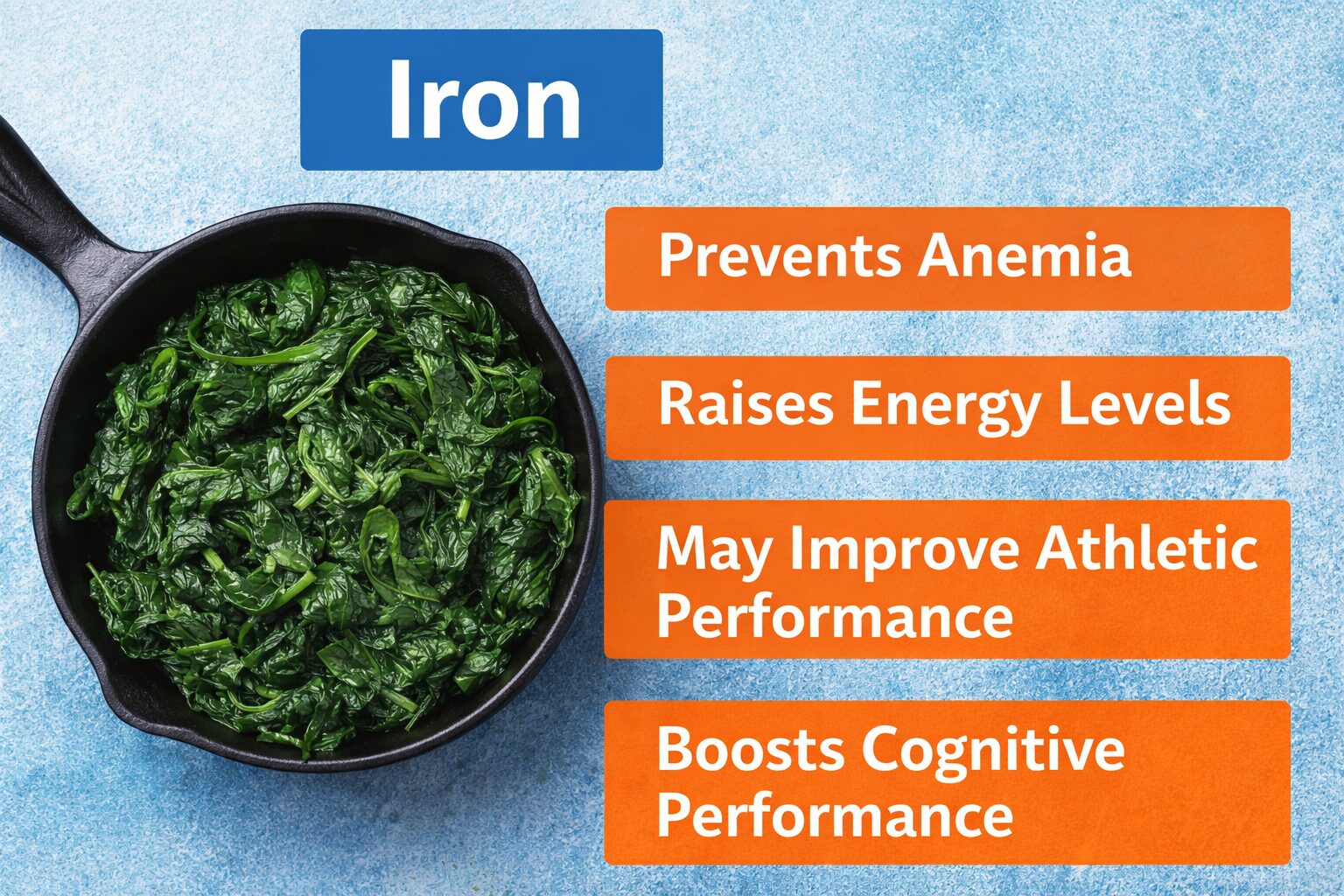
    • Iron status and ferritin levels
    • Inflammatory load
    • Hormonal balance including testosterone and cortisol
    • Vitamin and mineral sufficiency
    • Thyroid function
    • Liver and kidney markers

For athletes competing in olympic events or professional leagues, marginal gains determine podium finishes. Data reduces guesswork.

Full Blood Check vs Complete Blood Tests

Although used interchangeably, these terms can vary slightly in scope.

A full blood check typically includes:

  • Full blood count
    • Red and white cell analysis
    • Haemoglobin
    • Platelet levels

Complete blood tests often extend further into:

  • Iron studies
    • Vitamin D
    • B12 and folate
    • Thyroid profile
    • Lipid panel
    • Hormone markers
    • Liver function

For professional athlete monitoring, comprehensive screening provides deeper insight than a basic panel.

Oxygen Capacity and Endurance Performance

In track and field and soccer, aerobic efficiency determines late game output. Haemoglobin and ferritin directly influence oxygen delivery to working muscles.

Low iron reduces VO2 max capacity. Even marginal ferritin deficiency can impair sprint repeatability in womens football and high intensity interval performance in olympic sports.

Structured monitoring ensures levels remain within optimal athletic ranges, not merely general population norms.

Hormonal Balance and the Highest Paid Athlete

The highest paid athlete in any sport invests heavily in recovery science. Hormones regulate adaptation.

Key markers include:

  • Testosterone
    • Cortisol
    • DHEA
    • Oestrogen and progesterone in female athletes

Chronic cortisol elevation signals overtraining. Testosterone suppression affects muscle repair and drive. For female athletes in womens football and olympic events, hormone stability supports bone density and long term resilience.

Monitoring protects performance sustainability.

Inflammation and Recovery Control

C reactive protein and other inflammatory markers reveal systemic stress. Excess inflammation increases injury risk and slows adaptation.

In soccer and sports football environments with congested fixtures, recovery windows are short. Blood data informs load management decisions.

Professional athlete longevity depends on balancing stimulus with recovery capacity.

Micronutrients and Performance Efficiency

Vitamin D deficiency is common even in elite athletes. It affects immune resilience, muscle contraction, and bone strength.

B12 and folate influence red blood cell formation. Magnesium supports neuromuscular coordination.

For athletes preparing for the 2028 summer olympics, micronutrient optimisation provides legal competitive advantage without unethical enhancement practices.

Female Athletes and Blood Screening

Female athletes face additional considerations including menstrual cycle related fluctuations, iron depletion risk, and hormonal shifts.

In womens football and endurance disciplines, iron deficiency is prevalent. Regular screening prevents underperformance and long term fatigue.

Data driven insight empowers performance while protecting health.

Doping Control vs Performance Monitoring

Olympic sports operate under strict anti doping regulations. Blood testing in professional settings must comply with international standards.

The objective of performance blood testing is optimisation within natural physiology. It is distinct from prohibited enhancement.

Structured screening improves resilience, not artificial advantage.

Economic Stakes and Data Driven Investment

The richest athletes in the world treat physiology like financial capital. Marginal improvements translate into contract value, sponsorship longevity, and brand equity.

Performance decline due to preventable deficiencies represents avoidable loss. Strategic health management becomes an investment, not an expense.

Frequency of Testing for Professional Athletes

General recommendations:

  • Pre season baseline panel
    • Mid season monitoring
    • Post season recovery assessment
    • Additional testing during heavy competition blocks

Testing frequency varies by sport intensity and training load.

Blood Testing and Youth Revisited

At Youth Revisited, comprehensive health assessments provide structured insight into internal performance markers. A full blood screening offers clarity beyond surface symptoms.

Athletes and active individuals benefit from objective analysis that informs nutrition, supplementation, and recovery strategy.

Book a Competitive athlete blood test

Frequently Asked Questions

1. What is an athlete in medical performance terms

An athlete is an individual whose training places sustained physiological demand on cardiovascular, muscular, and endocrine systems. Monitoring biomarkers supports adaptation and injury prevention.

2. How often should a professional athlete get a full blood check

Most benefit from 2 to 4 structured tests per year depending on competition intensity.

3. Do female athletes require different blood markers

Yes. Iron status and hormone balance require specific attention due to menstrual cycle and metabolic factors.

4. Can complete blood tests improve soccer performance

Indirectly yes. Optimised iron, vitamin levels, and recovery markers enhance endurance and repeat sprint capacity.

5. Is blood testing only for olympic sports

No. Any serious athlete in soccer, track and field, womens football, or recreational competition can benefit.

6. Does blood screening replace training

No. It refines training strategy but does not substitute disciplined practice.

7. Can blood tests detect overtraining

Yes. Elevated cortisol, inflammatory markers, and suppressed testosterone often indicate excessive stress load.

Final Thoughts

Professional athlete performance is built on precision. From famous athletes competing in olympic events to rising competitors preparing for the 2028 summer olympics, structured blood monitoring protects longevity and enhances output.

In elite sport, marginal gains define outcomes. A complete blood test is not merely medical data. It is a strategic performance asset.

If you are committed to measurable progress, structured blood screening provides the internal intelligence required to perform at your highest level.

Menopause: Symptoms, Stages, and Practical Solutions for Every Phase

Menopause is a natural biological transition, not a disease. Yet for many women it feels confusing, disruptive, and sometimes overwhelming. Hormonal shifts affect the brain, metabolism, sleep, mood, and cardiovascular system. If you are wondering about menopause, how long does it last, why hot flashes after menopause still happen, or whether symptoms of perimenopause at 44 are normal, this guide provides clear, evidence-based answers.

This blog is for women in their 30s, 40s, and 50s who want medically sound information, practical symptom management strategies, and guidance on when to seek professional support. It is also helpful for partners who want to understand men and menopause from a supportive perspective.

What Is Menopause

Menopause marks the point when you have not had a menstrual period for 12 consecutive months. The average age in the UK is 51. However, hormonal changes begin years earlier.

Clinically, menopause is divided into 3 stages:

  1. Perimenopause

  2. Menopause

  3. Post menopausal stage

Understanding these stages of menopause helps you anticipate symptoms and respond early.

Stages of Menopause

1. Perimenopause

Perimenopause usually begins in the early to mid 40s, though some women notice signs earlier. Symptoms of perimenopause at 44 are extremely common and may include:

  • Irregular cycles

  • Heavy or lighter bleeding

  • Mood changes

  • Sleep disturbance

  • Night sweats

  • Brain fog

  • Headaches

Oestrogen fluctuates unpredictably during this phase. That hormonal instability explains why symptoms can feel intense and inconsistent.

Signs of early menopause at 35 may indicate premature ovarian insufficiency. If periods stop before age 40, seek medical evaluation promptly.

2. Menopause

Menopause itself is a single point in time. It is confirmed after 12 months without a period. Hormone levels stabilize at lower levels after this point.

3. Post Menopausal Stage

Post menopausal refers to the years after menopause. Many symptoms improve, but some persist. Post menopausal symptoms may include:

  • Vaginal dryness

  • Reduced libido

  • Joint stiffness

  • Urinary changes

  • Ongoing hot flashes

Understanding that post menopausal symptoms can continue helps set realistic expectations.

Menopause How Long Does It Last

Many women ask menopause how long it lasts. The answer depends on the stage.

  • Perimenopause can last 4 to 8 years

  • Vasomotor symptoms such as hot flashes often last 7 years on average

  • Some women experience symptoms for more than 10 years

Hot flashes after menopause are not unusual. Around 30 percent of women report persistent flushing years after their final period.

Duration varies due to genetics, body composition, stress levels, and overall health.

Common Symptoms at Different Ages

Symptoms of Menopause at 52

At 52, many women are in early post menopausal years. Symptoms may include:

  • Reduced energy

  • Sleep disruption

  • Weight redistribution around the abdomen

  • Vaginal dryness

  • Reduced skin elasticity

Symptoms of menopause at 52 often feel different from earlier hormonal fluctuations because hormones are now consistently low rather than fluctuating.

Menopause Headaches

Menopause headaches result from oestrogen withdrawal. Women prone to migraines often notice worsening during perimenopause and improvement after menopause.

Headache management includes:

  • Blood sugar stabilisation

  • Hydration

  • Magnesium supplementation if clinically appropriate

  • Hormone therapy when indicated

Menopause and Depression

Hormones influence serotonin and dopamine pathways. Menopause and depression frequently intersect, particularly during perimenopause.

Warning signs include:

  • Persistent low mood

  • Loss of interest

  • Irritability

  • Sleep disturbance

  • Anxiety

Professional support is essential if symptoms interfere with daily life. Hormone therapy, cognitive behavioural therapy, and lifestyle interventions can all help.

Hot Flashes After Menopause

Hot flashes occur due to hypothalamic sensitivity triggered by oestrogen decline. Even in the post menopausal phase, the temperature regulation system may remain unstable.

Triggers include:

  • Alcohol

  • Caffeine

  • Spicy food

  • Stress

  • Warm environments

Lifestyle adjustments combined with medical options can significantly reduce frequency and severity.

Cold Night Sweats

Cold night sweats describe episodes where sweating leaves you chilled afterward. These episodes disrupt sleep and may contribute to fatigue and mood changes.

Management strategies:

  • Layered bedding

  • Breathable cotton sleepwear

  • Stable room temperature

  • Stress reduction techniques

Persistent night sweats require medical review to rule out other causes.

ADHD Menopause Connection

Emerging research explores ADHD menopause interactions. Oestrogen supports dopamine regulation. As levels decline, women with ADHD may notice:

  • Increased distractibility

  • Memory lapses

  • Executive dysfunction

  • Emotional sensitivity

Hormone stabilisation, ADHD medication review, structured routines, and cognitive strategies often improve outcomes.

Blood After Menopause

Blood after menopause is not normal and must always be investigated. Causes range from benign polyps to endometrial hyperplasia or cancer. Immediate GP referral is essential.

Do not ignore post menopausal bleeding, even if it is light spotting.

Male Menopause Symptoms

While not identical to female menopause, declining testosterone in men can produce changes sometimes described as male menopause symptoms. These may include:

  • Reduced libido

  • Fatigue

  • Mood changes

  • Reduced muscle mass

This process is gradual and differs biologically from menopause, but men and menopause conversations matter for relationship understanding and shared wellbeing.

Early Menopause and Fertility

Signs of early menopause at 35 may include irregular periods, hot flashes, and fertility challenges. Early diagnosis allows:

  • Fertility counselling

  • Bone density monitoring

  • Cardiovascular risk assessment

  • Hormone replacement therapy where appropriate

Early intervention protects long term health.

Post Menopausal Health Risks

The post menopausal phase brings specific health considerations:

  • Osteoporosis risk increases due to lower oestrogen

  • Cardiovascular risk rises

  • Metabolic changes affect weight and insulin sensitivity

Preventive care includes:

  • Resistance training 2 to 3 times weekly

  • Adequate protein intake

  • Vitamin D optimisation

  • Lipid and blood pressure monitoring

Practical Strategies for Symptom Management

1. Nutrition

Prioritise:

  • Protein at each meal

  • Fibre rich vegetables

  • Omega 3 fatty acids

  • Calcium rich foods

Limit processed sugar and alcohol.

2. Exercise

Strength training preserves muscle and bone. Cardiovascular exercise supports heart health and mood regulation.

3. Sleep Optimisation

  • Maintain consistent bedtime

  • Avoid screens 1 hour before sleep

  • Keep bedroom cool and dark

4. Hormone Replacement Therapy

HRT remains the most effective treatment for moderate to severe symptoms. Suitability depends on individual risk profile.

5. Mental Health Support

Menopause and depression require active management. Seek psychological support when needed.

Book a menopause blood test here

Who Is This Blog For

This guide supports:

  • Women aged 35 to 55 navigating hormonal change

  • Women experiencing symptoms of perimenopause at 44

  • Women aged 52 adjusting to post menopausal symptoms

  • Women concerned about early menopause

  • Partners seeking clarity about men and menopause

  • Women experiencing ADHD menopause challenges

If symptoms affect quality of life, consult a qualified healthcare provider.

When to Seek Medical Advice

Contact your GP if you experience:

  • Blood after menopause

  • Severe depression

  • Persistent insomnia

  • Unexplained pelvic pain

  • Sudden severe headaches

  • Symptoms before age 40

Timely evaluation prevents complications.

Read more about menopause on clevelandclinic

Frequently Asked Questions

How long does menopause last

Perimenopause lasts 4 to 8 years on average. Hot flashes may continue 7 years or longer. Some women experience symptoms for more than 10 years.

Can you have hot flashes after menopause

Yes. Hot flashes after menopause are common and may persist for years.

Are symptoms of perimenopause at 44 normal

Yes. Irregular periods, mood changes, and sleep issues at 44 are typical signs of perimenopause.

What are common post menopausal symptoms

Post menopausal symptoms include vaginal dryness, joint discomfort, urinary changes, and occasional hot flashes.

Is blood after menopause serious

Yes. Any bleeding after menopause requires urgent medical assessment.

Can menopause cause depression

Yes. Menopause and depression are linked due to hormonal effects on brain chemistry.

What are signs of early menopause at 35

Irregular cycles, hot flashes, and fertility issues before age 40 warrant medical testing.

Do men experience menopause

Men experience gradual testosterone decline, sometimes described as male menopause symptoms, but it differs biologically from female menopause.

Menopause is a transition, not a decline. With accurate information, proactive healthcare, and personalised support, you can move through each stage with clarity and confidence.


Thyroid Explained

Who This Guide Is For

This guide is for adults who want clarity about thyroid health, unexplained fatigue, weight fluctuations, hormonal imbalance, fertility concerns, low mood, brain fog, or metabolic slowdown. It is also for men and women 30+ who want preventative blood testing, patients with a family history of thyroid disease, individuals already diagnosed but unsure if treatment is optimised, and anyone seeking private, accurate thyroid blood testing through Youth Revisited.

If you are proactive about longevity, hormone balance, and metabolic performance, this article is written for you.

Understanding the Thyroid Gland

The thyroid is a small butterfly shaped gland located at the front of the neck. Despite its size, it controls critical metabolic processes throughout the body. It produces hormones that regulate energy production, temperature control, heart rate, digestion, brain function, menstrual cycles, and cholesterol metabolism.

The thyroid primarily releases 2 hormones:
• Thyroxine T4
• Triiodothyronine T3

The pituitary gland produces Thyroid Stimulating Hormone TSH, which signals the thyroid to produce T4 and T3. This feedback loop must remain tightly regulated. Even subtle dysfunction can disrupt the entire endocrine system.

When thyroid hormones are too low, the body slows down. When they are too high, the body speeds up excessively. Both states carry health risks.

Why Thyroid Testing Is Mandatory

Many people live with undiagnosed thyroid dysfunction for years. Symptoms are often vague and mistaken for stress, ageing, perimenopause, depression, or lifestyle factors. Blood testing is the only reliable way to confirm thyroid status.

Here is why testing is not optional but essential:

1. Symptoms Are Non Specific

Fatigue, hair thinning, low mood, anxiety, weight gain, weight loss, irregular cycles, and reduced libido overlap with many other conditions. Without laboratory confirmation, diagnosis becomes guesswork.

2. Early Disease Has No Obvious Signs

Subclinical hypothyroidism or hyperthyroidism may not present dramatic symptoms, yet it increases cardiovascular risk and metabolic disturbance.

3. Untreated Thyroid Dysfunction Affects Every System

Untreated hypothyroidism can contribute to:
• Elevated cholesterol
• Reduced fertility
• Miscarriage risk
• Insulin resistance
• Depression
• Cognitive slowing

Untreated hyperthyroidism can lead to:
• Heart rhythm abnormalities
• Bone density loss
• Anxiety disorders
• Muscle weakness

4. Treatment Requires Monitoring

If you already take levothyroxine or other thyroid medication, periodic blood testing is mandatory to ensure correct dosing. Under treatment and over treatment both cause harm.

5. Thyroid Dysfunction Is Increasing

Autoimmune thyroid disorders such as Hashimoto’s thyroiditis and Graves’ disease are increasingly common in the UK. Early detection prevents long term complications.

Types of Thyroid Disorders

Hypothyroidism

Hypothyroidism occurs when the thyroid produces insufficient hormones.

Common symptoms include:
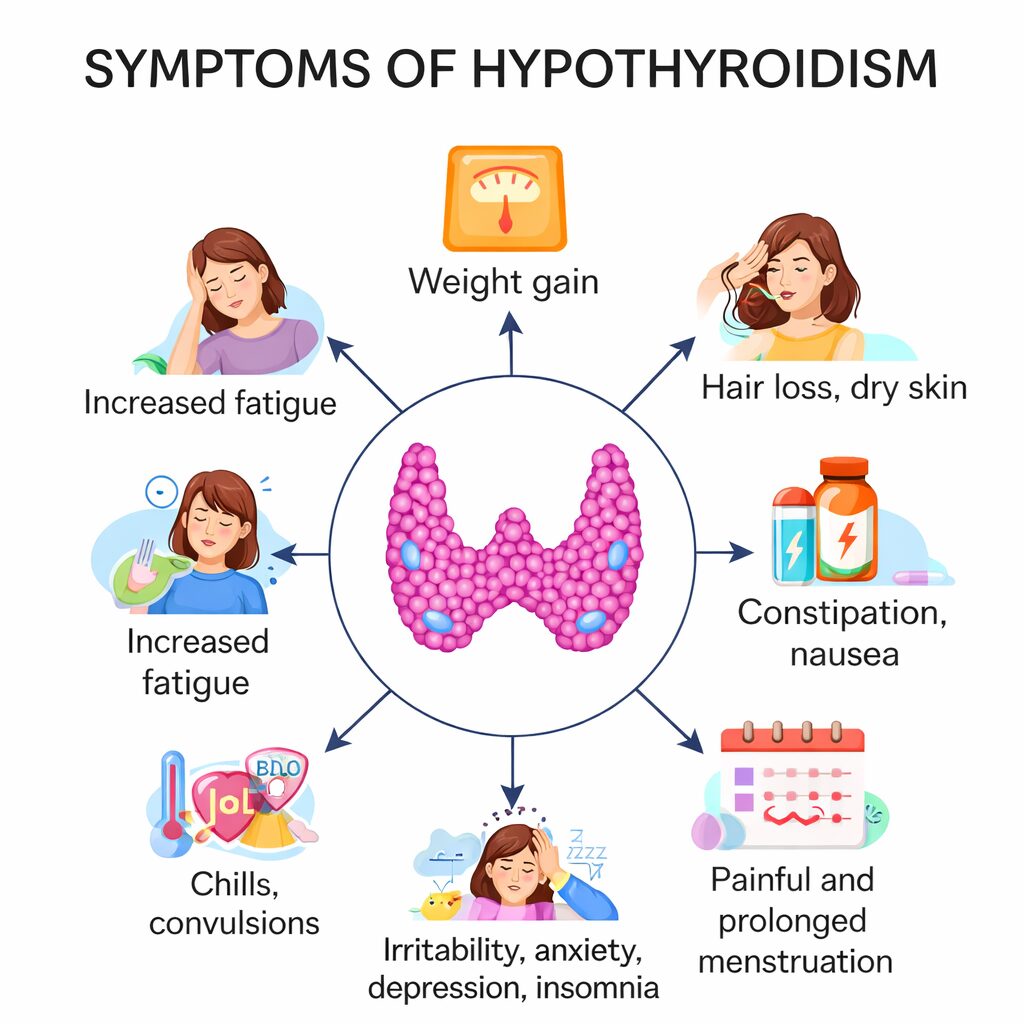
• Persistent fatigue
• Weight gain despite no dietary change
• Cold intolerance
• Constipation
• Dry skin
• Hair thinning
• Brain fog
• Heavy periods

Autoimmune destruction of the thyroid is the most common cause in the UK.

Hyperthyroidism

Hyperthyroidism occurs when excessive thyroid hormone circulates in the bloodstream.

Common symptoms include:
• Unexplained weight loss
• Rapid heart rate
• Anxiety or irritability
• Heat intolerance
• Sweating
• Tremors
• Sleep disturbance

This condition increases cardiac and bone health risks if untreated.

Who Benefits Most From Thyroid Testing

Thyroid testing benefits more than just symptomatic individuals. The following groups should strongly consider routine testing:

1. Women 35+

Hormonal fluctuations during perimenopause often mask thyroid dysfunction. Many women attribute fatigue and mood shifts to ageing rather than endocrine imbalance.

2. Individuals With Family History

Genetic predisposition plays a major role in autoimmune thyroid disease.

3. People With Fertility Concerns

Thyroid hormones directly influence ovulation, sperm health, and implantation. Suboptimal levels can reduce pregnancy success.

4. Patients With High Cholesterol

If cholesterol remains elevated despite lifestyle optimisation, thyroid dysfunction may be the underlying cause.

5. Individuals Experiencing Chronic Fatigue

Before assuming burnout or stress, thyroid function must be evaluated objectively.

6. Those Managing Weight Resistance

If weight loss remains resistant despite calorie control and exercise, metabolic slowdown from hypothyroidism may be contributing.

7. Patients With Other Autoimmune Conditions

Autoimmune diseases cluster. If you have one autoimmune diagnosis, thyroid screening is prudent.

What Should a Comprehensive Thyroid Panel Include

Basic NHS testing often includes only TSH. While useful, it may not provide the full picture. A comprehensive panel should assess:

  • TSH
    • Free T4
    • Free T3
    • Thyroid peroxidase antibodies
    • Thyroglobulin antibodies

Antibody testing helps identify autoimmune thyroid disease before severe dysfunction develops.

Testing without antibodies can miss early stage disease.

Read more about thyroid on clevelandclinic

Why Relying on Symptoms Alone Is Risky

Self diagnosis through online symptom lists leads to misinformation and anxiety. Thyroid hormone levels require laboratory quantification.

Even mild imbalances can influence cardiovascular markers, mood stability, and metabolic efficiency. Objective testing eliminates speculation and enables targeted intervention.

The Link Between Thyroid Health and Longevity

Optimised thyroid function supports:
• Healthy metabolic rate
• Stable cholesterol
• Cognitive clarity
• Balanced mood
• Fertility
• Bone integrity

Chronic imbalance accelerates metabolic decline and increases cardiovascular burden. For individuals invested in preventative health, thyroid optimisation forms a foundational pillar.

When Should You Test

You should consider thyroid testing if:
• You experience persistent fatigue beyond 3 months
• You notice unexplained weight change
• Your menstrual cycle becomes irregular
• You plan pregnancy
• You begin hormone therapy
• You have high cholesterol without dietary explanation
• You have a family history of thyroid disease

For those already diagnosed, testing every 6 to 12 months is standard depending on medical guidance.

Why Private Testing Can Be Valuable

Private thyroid testing allows:
• Broader biomarker panels
• Faster turnaround
• Greater autonomy
• Preventative screening before symptoms worsen

For patients seeking clarity rather than reactive treatment, comprehensive private testing provides actionable insight.

The Risks of Ignoring Thyroid Dysfunction

Failure to diagnose and manage thyroid disorders can lead to:
• Cardiovascular strain
• Fertility challenges
• Miscarriage risk
• Depression misdiagnosis
• Osteoporosis
• Reduced quality of life

Thyroid imbalance does not self correct. Laboratory confirmation is the gateway to proper management.

Thyroid Testing and Men

Thyroid dysfunction affects men differently but significantly.

Men may experience:
• Reduced testosterone
• Decreased libido
• Muscle weakness
• Mood disturbance
• Weight gain

Because symptoms overlap with stress and ageing, men often remain undiagnosed longer than women. Blood testing removes uncertainty.

Thyroid Testing and Mental Health

Thyroid hormones influence neurotransmitter regulation. Hypothyroidism may mimic depression. Hyperthyroidism may mimic anxiety disorders.

Before initiating psychiatric medication for unexplained mood symptoms, thyroid function must be evaluated.

Book a thyroid blood test

Safe Testing and Interpretation

Testing must be interpreted within clinical context. Optimal ranges may differ from laboratory reference ranges. Treatment decisions require professional oversight.

Youth Revisited provides structured blood testing pathways that support proactive health management without unnecessary interventions.

Frequently Asked Questions

1. Is TSH alone enough to diagnose thyroid disease

TSH is useful but insufficient in isolation. A complete panel including Free T4, Free T3, and antibodies offers more diagnostic accuracy.

2. How often should I test my thyroid

If healthy and asymptomatic, testing every 12 months is reasonable. If diagnosed or symptomatic, testing every 6 months may be required depending on medical advice.

3. Can thyroid problems resolve without treatment

Autoimmune thyroid disorders typically require monitoring and often medication. Lifestyle changes alone rarely reverse established hypothyroidism.

4. Does stress affect thyroid results

Chronic stress can influence hormone signalling but does not replace laboratory testing. Abnormal results require medical evaluation.

5. Can thyroid imbalance affect weight even with diet control

Yes. Hypothyroidism reduces metabolic rate, making weight loss difficult despite calorie control.

6. Is thyroid testing important before pregnancy

Yes. Suboptimal thyroid levels increase miscarriage risk and can affect foetal development. Pre conception testing is strongly advised.

Final Thoughts

Thyroid health underpins metabolism, mental clarity, cardiovascular stability, and reproductive health. Because symptoms are subtle and overlap with common lifestyle complaints, laboratory testing is mandatory for accurate diagnosis.

If you experience unexplained fatigue, metabolic resistance, hormonal shifts, or family history of thyroid disease, proactive blood testing is a responsible step. Early detection prevents long term complications and supports optimised health outcomes.

A structured thyroid panel provides clarity. Clarity enables action. Action protects long term health.

Testosterone Guide

Who Is This Blog For

This Testosterone guide is for men and women who want clarity about their hormone health. It is for adults experiencing fatigue, weight gain, low mood, reduced libido, poor recovery, brain fog, or declining performance. It is also for individuals focused on preventive healthcare, longevity, and evidence based optimisation. If you want to understand whether testosterone testing is necessary and who benefits from it, this article gives you a structured, clinical overview.

What Is Testosterone and Why It Matters

Testosterone is a steroid hormone produced primarily in the testes in men and in smaller amounts in the ovaries in women. The adrenal glands also contribute minor amounts. It plays a central role in muscle mass, bone density, red blood cell production, libido, mood regulation, cognitive performance, and metabolic health.

In men, testosterone drives secondary sexual characteristics and supports reproductive function. In women, although levels are lower, testosterone remains essential for energy, sexual health, and musculoskeletal strength. Balanced levels support resilience and vitality across the lifespan.

Testosterone levels naturally decline with age. However, lifestyle factors such as chronic stress, obesity, insulin resistance, poor sleep, alcohol intake, and certain medications accelerate this decline. Because symptoms often overlap with other conditions, testing becomes critical rather than relying on guesswork.

Why Testosterone Testing Is Mandatory in Modern Preventive Care

Many individuals assume symptoms such as fatigue or reduced libido are simply part of aging. This assumption delays diagnosis and intervention. Objective laboratory testing removes uncertainty and guides safe treatment decisions.

Testing is mandatory before any hormone therapy. Starting testosterone replacement without baseline data increases the risk of inappropriate dosing, missed contraindications, and overlooked underlying pathology. A responsible clinical approach includes measurement, interpretation, and monitoring.

Testing also helps differentiate between primary hypogonadism, where the testes are not producing sufficient hormone, and secondary hypogonadism, where the problem originates in the pituitary or hypothalamus. This distinction changes management strategy completely.

For patients pursuing performance optimisation, baseline values establish a reference point. Without data, progress cannot be measured accurately.

Key Symptoms That Justify Testing

Testosterone testing is indicated when patients present with persistent and clinically significant symptoms. Common indicators include:

Reduced libido or erectile dysfunction
Chronic fatigue despite adequate sleep
Loss of muscle mass
Increased abdominal fat
Low mood or irritability
Reduced motivation
Poor concentration
Slow recovery from exercise
Decreased bone density
Infertility concerns

In women, symptoms may include reduced sexual desire, decreased muscle tone, and unexplained fatigue.

Symptoms alone are insufficient for diagnosis. Laboratory confirmation is essential.

How Testosterone Testing Works

A standard evaluation includes total testosterone measurement through a blood test, typically performed in the morning when levels peak. However, total testosterone does not always reflect bioavailable hormone. Therefore, clinicians may also assess:

Free testosterone
Sex hormone binding globulin
Luteinising hormone
Follicle stimulating hormone
Prolactin
Oestradiol
Full blood count
Liver function markers

Interpreting results requires context. A single reading without clinical correlation can mislead. Repeat testing is sometimes necessary to confirm persistently low levels.

Who Benefits Most From Testosterone Testing

1. Men Over 40

Testosterone decline accelerates after age 40. Many men experience gradual changes but attribute them to stress or aging. Testing provides clarity. Early detection allows lifestyle intervention before severe deficiency develops.

2. Men With Metabolic Risk

Obesity, type 2 diabetes, and metabolic syndrome correlate strongly with low testosterone. Identifying deficiency supports a comprehensive metabolic strategy.

3. Athletes and Active Individuals

Performance plateaus, prolonged recovery, or unexplained strength decline warrant investigation. Hormonal optimisation improves recovery, body composition, and resilience when clinically indicated.

4. Men With Fertility Concerns

Low testosterone may signal broader reproductive dysfunction. Testing allows targeted evaluation rather than random supplementation.

5. Women With Hormonal Imbalance Symptoms

Although less discussed, women benefit from assessment when symptoms suggest androgen deficiency.

The Link Between Testosterone and Chronic Disease

Emerging evidence shows associations between low testosterone and increased cardiovascular risk, reduced bone density, and metabolic dysfunction. While correlation does not equal causation, untreated deficiency often worsens health markers.

Low levels correlate with higher visceral fat, insulin resistance, and inflammatory markers. Addressing deficiency under medical supervision may improve body composition and metabolic parameters.

However, therapy without confirmed deficiency increases risk. This is why diagnostic testing remains mandatory.

Risks of Ignoring Low Testosterone

Untreated deficiency may lead to progressive muscle loss, osteoporosis, depression, reduced productivity, and sexual dysfunction. Over time, quality of life declines.

In severe cases, low testosterone contributes to anaemia and increased fracture risk. These outcomes are preventable when clinicians identify and manage deficiency early.

Ignoring symptoms without testing allows reversible conditions to persist.

Risks of Self Prescribing Testosterone

Access to online hormone products has increased. Many individuals attempt self treatment without laboratory confirmation. This approach is unsafe.

Unsupervised testosterone use may suppress natural production, increase haematocrit excessively, worsen sleep apnoea, affect fertility, and alter lipid profiles. It may also mask underlying pituitary disorders.

Testing ensures therapy is justified and monitored appropriately.

Testosterone Replacement Therapy: When It Is Appropriate

Testosterone replacement therapy is indicated only when:

Symptoms are clinically significant
Laboratory levels confirm deficiency
Contraindications are excluded
Patient understands benefits and risks

Treatment may involve gels, injections, or other medically approved formulations. Monitoring includes repeat hormone panels, prostate specific antigen in men, and blood counts.

Therapy is not a lifestyle shortcut. It complements structured lifestyle intervention.

Lifestyle Strategies That Influence Testosterone

Before initiating therapy, clinicians often recommend lifestyle optimisation:

Resistance training 3 to 4 times per week
Adequate protein intake
Body fat reduction
Sleep duration of 7 to 9 hours
Stress reduction
Limiting alcohol intake

These interventions improve hormonal balance naturally. Testing establishes whether lifestyle change alone is sufficient.

Book a Testosterone blood test now

The Importance of Ongoing Monitoring

Hormones fluctuate. A single measurement does not represent lifetime status. Patients on therapy require structured monitoring to maintain physiological levels and avoid complications.

Regular assessment ensures safety and therapeutic effectiveness.

Why Comprehensive Testing Outperforms Single Marker Screening

Some clinics test only total testosterone. This narrow approach misses critical context. For example, high sex hormone binding globulin may produce normal total testosterone but low free testosterone.

Comprehensive evaluation improves diagnostic precision. It reduces misclassification and inappropriate treatment.

Psychological and Cognitive Impact

Testosterone influences neurotransmitter pathways involved in motivation and mood regulation. Low levels correlate with depressive symptoms and reduced drive. While testosterone is not an antidepressant, deficiency can exacerbate psychological distress.

Testing clarifies whether hormonal imbalance contributes to cognitive or emotional symptoms.

Bone and Musculoskeletal Health

Testosterone supports osteoblast activity and muscle protein synthesis. Chronic deficiency increases fracture risk and sarcopenia. Early testing protects long term musculoskeletal integrity.

Men with unexplained bone density loss should undergo hormonal assessment.

Testosterone and Cardiovascular Health

The relationship between testosterone and cardiovascular disease remains complex. Both low and excessively high levels may carry risk. Balanced physiological levels appear protective in many observational studies.

Testing ensures levels remain within safe and optimal ranges rather than extremes.

The Role of Specialist Clinics

Accurate interpretation requires medical expertise. Specialist clinics integrate symptom review, biochemical testing, and personalised treatment plans. This structured approach reduces risk and improves outcomes.

Patients benefit from evidence based care rather than trend driven interventions.

When to Arrange a Testosterone Test

Consider testing if symptoms persist for 3 to 6 months despite lifestyle optimisation. Arrange testing earlier if symptoms are severe or fertility is a concern.

Morning blood sampling provides the most reliable data. Avoid testing during acute illness.

Read more about testosterone on healthline

Final Perspective

Testosterone is not merely a performance hormone. It is a central regulator of metabolic, musculoskeletal, cognitive, and sexual health. Testing provides objective data that guides responsible care. It prevents both neglect and overtreatment.

Men and women who value preventive healthcare benefit from evidence based hormone assessment. Testing is not about enhancement. It is about restoring balance where clinically indicated.

Ignoring symptoms invites decline. Guessing invites risk. Measured, data driven evaluation supports longevity and quality of life.

Frequently Asked Questions

1. At what age should testosterone be tested

There is no mandatory age. Testing is appropriate when clinically significant symptoms appear, often after age 40 in men.

2. Can lifestyle changes increase testosterone without therapy

Yes. Weight loss, resistance training, improved sleep, and stress reduction can improve levels, especially in mild deficiency.

3. Is one blood test enough for diagnosis

Usually no. Confirmatory testing is often required to establish persistent low levels.

4. Is testosterone therapy safe

It is safe when prescribed appropriately, monitored regularly, and indicated by confirmed deficiency.

5. Can women benefit from testosterone testing

Yes. Women with symptoms of androgen deficiency may benefit from assessment under medical supervision.

6. Does low testosterone affect mental health

Low levels can contribute to low mood and reduced motivation. Proper testing clarifies whether hormonal imbalance plays a role.

7. How often should levels be monitored during therapy

Monitoring frequency depends on clinical context but typically occurs every 3 to 6 months initially, then annually once stable.

If you suspect hormonal imbalance, structured testing is the first step toward informed, responsible intervention.


Cortisol

Understanding Stress Hormones, Health Impact, and Why Testing Matters

Cortisol is one of the most important hormones in the human body. It directly affects energy levels, metabolism, immunity, blood sugar balance, sleep quality, and mental focus. Despite its importance, many people live with abnormal cortisol levels without realizing it. This blog explains cortisol in clear terms, why testing is mandatory in many health conditions, who benefits from cortisol testing, and how timely testing helps prevent long term damage.

This guide is written for health conscious individuals, working professionals under stress, patients with unexplained symptoms, fitness focused individuals, and anyone seeking preventive health clarity.

What Is Cortisol

Cortisol is a steroid hormone produced by the adrenal glands. These glands sit on top of the kidneys and release cortisol in response to signals from the brain. The hormone plays a central role in the body stress response system.

Cortisol helps the body stay alert during stress. It regulates blood sugar levels. It controls inflammation. It influences blood pressure. It also supports metabolism and immune balance.

Cortisol follows a daily rhythm. Levels peak in the morning to help you wake up and drop at night to allow sleep. When this rhythm breaks, health problems begin.

Why Cortisol Is Called the Stress Hormone

Cortisol rises when the body senses physical or mental stress. Stress can come from work pressure, lack of sleep, illness, emotional strain, injury, infections, or intense exercise.

Short term cortisol release is beneficial. It helps you react fast, think clearly, and manage emergencies. Problems arise when cortisol stays high or too low for long periods.

Chronic stress forces the body to keep producing cortisol. Over time, this damages organs, hormones, and mental health.

How Cortisol Affects the Body

Cortisol impacts almost every system in the body.

It increases blood sugar to provide quick energy.
It breaks down fat and muscle tissue.
It suppresses inflammation and immunity.
It affects mood, memory, and concentration.
It regulates blood pressure and heart function.

When cortisol balance breaks, these systems stop working properly.

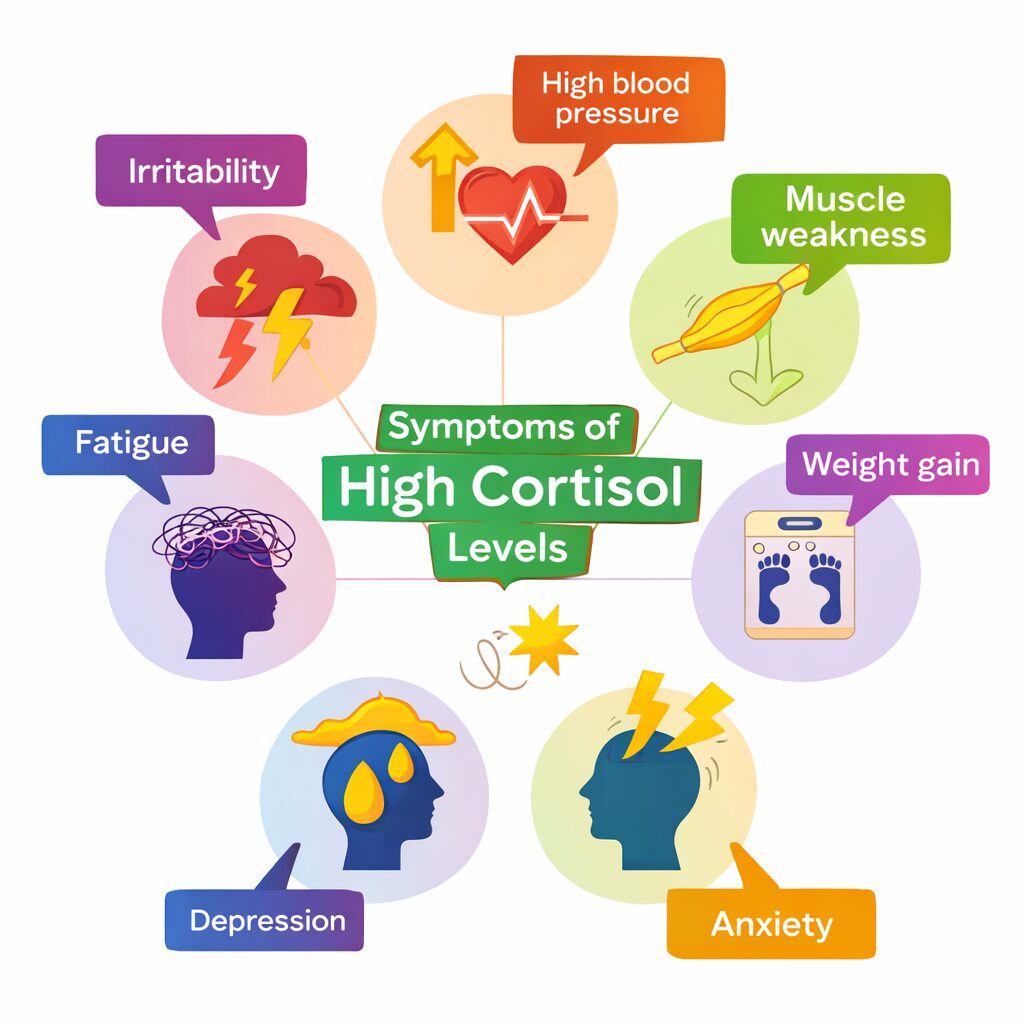
Symptoms of High Cortisol Levels

Persistently high cortisol causes visible and hidden symptoms. Many people ignore these signs or treat them separately without testing the root cause.

Common symptoms include
Weight gain especially around the abdomen
Persistent fatigue despite rest
High blood pressure
Anxiety and irritability
Poor sleep quality
Frequent infections
Slow wound healing
Brain fog and poor focus

Long term high cortisol increases the risk of diabetes, heart disease, osteoporosis, and depression.

Symptoms of Low Cortisol Levels

Low cortisol is equally dangerous. It reduces the body ability to respond to stress and maintain vital functions.

Common symptoms include
Chronic tiredness
Dizziness especially on standing
Low blood pressure
Salt cravings
Weakness and muscle pain
Low blood sugar episodes
Poor stress tolerance

Severely low cortisol can become life threatening if untreated.

What Is a Cortisol Blood Test

A cortisol blood test measures the amount of cortisol in your blood at a specific time of day. Doctors usually recommend morning testing because cortisol should be highest at that time.

The test helps identify whether cortisol production is normal, excessive, or insufficient. It also helps evaluate adrenal gland function and hormonal balance.

Testing provides objective data. Symptoms alone cannot confirm cortisol imbalance.

Why Cortisol Testing Is Mandatory in Modern Health Care

Cortisol testing is no longer optional in many clinical cases. It is mandatory because cortisol imbalance mimics many other conditions.

Doctors rely on cortisol tests to
Differentiate stress related symptoms from other diseases
Identify adrenal disorders early
Prevent misdiagnosis
Guide treatment decisions accurately

Without testing, patients often receive temporary symptom based treatments that fail long term.

Conditions Where Cortisol Testing Is Essential

Cortisol testing becomes mandatory when symptoms overlap with multiple conditions.

These include
Unexplained weight changes
Chronic fatigue syndrome
Sleep disorders
Anxiety and mood disorders
High blood pressure without clear cause
Irregular blood sugar levels
Hormonal imbalances
Autoimmune and inflammatory disorders

Testing prevents years of uncertainty and unnecessary medications.

Book a Cortisol Blood test now

Who Benefits Most From Cortisol Testing

Cortisol testing benefits a wide range of people, not just those with diagnosed illnesses.

Working Professionals

People with long working hours and mental stress often suffer silent cortisol imbalance. Testing helps detect early damage.

Individuals With Persistent Fatigue

When rest does not restore energy, cortisol imbalance is often involved.

People With Weight Management Issues

Unexplained weight gain or resistance to fat loss often links to cortisol.

Patients With Anxiety or Sleep Problems

Cortisol disrupts sleep cycles and worsens anxiety. Testing confirms the biological cause.

Fitness and Training Enthusiasts

Overtraining elevates cortisol and breaks muscle recovery. Testing helps optimize training and prevent burnout.

People With Chronic Illness

Cortisol affects immunity and inflammation. Testing helps manage long term conditions better.

Cortisol and Long Term Health Risks

Ignoring cortisol imbalance leads to progressive damage.

High cortisol over time increases the risk of
Type 2 diabetes
Cardiovascular disease
Bone density loss
Cognitive decline
Hormonal disruption

Low cortisol increases the risk of
Adrenal crisis
Severe fatigue and weakness
Low blood sugar complications

Testing allows early intervention before irreversible damage occurs.

Read more about cortisol on healhtline

How Cortisol Testing Supports Preventive Health

Preventive health focuses on identifying risks before disease develops. Cortisol testing plays a major role in this approach.

Early testing helps
Identify stress overload early
Prevent metabolic disorders
Protect heart and brain health
Improve sleep and mental clarity
Support long term hormonal balance

Preventive testing saves time, cost, and long term suffering.

Interpreting Cortisol Test Results

Cortisol levels must be interpreted with timing and symptoms in mind. Morning cortisol differs from evening levels.

Doctors consider
Time of sample
Patient stress level
Medications
Sleep patterns

Self interpretation without guidance can be misleading. Professional review ensures accurate conclusions.

Can Lifestyle Affect Cortisol Levels

Yes. Lifestyle directly controls cortisol production.

Factors that raise cortisol
Chronic stress
Poor sleep
Excess caffeine
Overtraining
Unbalanced diet

Factors that lower cortisol naturally
Regular sleep schedule
Stress management
Balanced nutrition
Moderate exercise
Mindfulness practices

Testing helps measure the effectiveness of lifestyle changes objectively.

Why Home Based Cortisol Testing Is Gaining Popularity

Many people delay testing due to clinic visits and time constraints. Home based cortisol testing removes these barriers.

Benefits include
Convenience and privacy
Accurate laboratory analysis
Early detection
Better health engagement

Accessible testing improves compliance and long term health awareness.

When Should You Consider a Cortisol Test

You should consider testing if symptoms persist for more than 4 weeks despite lifestyle changes.

Testing is also recommended
During prolonged stress periods
Before starting intense fitness programs
When managing chronic illness
When sleep and mood remain unstable

Early testing reduces long term health risks.

Final Thoughts

Cortisol controls how your body responds to stress, heals, and maintains balance. Ignoring cortisol imbalance leads to serious long term consequences. Symptoms alone cannot confirm cortisol health.

Cortisol testing is mandatory for accurate diagnosis, effective treatment, and preventive health planning. It benefits individuals across all age groups and lifestyles.

Understanding your cortisol levels empowers you to take control of your health before damage becomes permanent.

Frequently Asked Questions

What is the normal cortisol level

Normal cortisol levels vary by time of day. Morning levels are higher and evening levels are lower. A healthcare professional interprets results correctly.

Is cortisol testing painful

The test requires a simple blood sample and causes minimal discomfort.

Can stress alone cause abnormal cortisol

Yes. Chronic stress is one of the most common causes of cortisol imbalance.

How often should cortisol be tested

Testing frequency depends on symptoms and medical advice. Many people test annually or during prolonged stress.

Can cortisol levels return to normal

Yes. With proper treatment, lifestyle changes, and medical guidance, cortisol balance can be restored.

Do medications affect cortisol results

Yes. Certain medications influence cortisol levels. Always inform your healthcare provider before testing.

Is cortisol testing useful without symptoms

Yes. Preventive testing helps detect hidden imbalances before symptoms appear.


What Is Glucose and Why Its Blood Test Matters

Glucose is the primary fuel your body uses to function. Every cell depends on it for energy, from the brain to muscles and internal organs. When glucose levels stay balanced, the body performs efficiently. When they rise or fall beyond healthy limits, long term health problems can develop.

Understanding glucose and the importance of blood testing allows individuals to take control of their health early. This blog explains glucose in simple language, why testing is mandatory, who benefits most, and how testing supports healthy ageing.

Who This Blog Is For

This blog is written for adults who want clarity about their metabolic health. It is especially helpful for:

  1. Adults over the age of 40

  2. People with a family history of diabetes

  3. Individuals experiencing fatigue, thirst, blurred vision, or weight changes

  4. People aiming to prevent chronic disease

  5. Health conscious adults planning proactive testing

  6. Anyone booking or considering a blood test

The goal is education, prevention, and informed decision making.

What Is Glucose

Glucose is a type of sugar found in the bloodstream. When you eat foods containing carbohydrates, your digestive system breaks them down into glucose. This glucose enters the blood and becomes available for energy use.

The hormone insulin helps move glucose from the blood into cells. When insulin works properly, glucose levels remain stable. When insulin production or response fails, glucose builds up in the blood.


How the Body Uses Glucose

The body follows a clear process to use glucose effectively.

  1. Carbohydrates are digested into glucose

  2. Glucose enters the bloodstream

  3. Insulin signals cells to absorb glucose

  4. Cells convert glucose into energy

  5. Excess glucose is stored in the liver or muscles

If this process becomes inefficient, glucose levels rise and health risks increase.


Why Glucose Blood Tests Are Mandatory

Glucose testing is essential in preventive and diagnostic healthcare. It is not optional for individuals at risk.

Early Detection of Diabetes

Diabetes often develops silently. Many people live with elevated glucose levels for years without symptoms. Blood tests identify early changes before damage occurs.

Early detection allows lifestyle adjustments and treatment that slow or stop disease progression.


Prevention of Long Term Complications

Persistently high glucose damages blood vessels and nerves. Over time, this can lead to:

  1. Heart disease

  2. Kidney damage

  3. Vision loss

  4. Nerve pain

  5. Poor circulation

Regular testing reduces these risks by enabling timely intervention.


Accurate Treatment Planning

Doctors use glucose results to guide treatment. Medication, diet plans, and lifestyle recommendations depend on reliable blood data.

Without testing, treatment becomes guesswork rather than precision care.

Monitoring Lifestyle Changes

Diet and physical activity directly affect glucose. Blood tests show whether changes are working. This feedback helps individuals adjust habits effectively.

Types of Glucose Blood Tests

Different tests measure glucose in different ways. Each has a specific purpose.

Fasting Blood Glucose Test

This test requires fasting for about 8 hours. It measures baseline glucose levels and helps identify early metabolic issues.

Random Blood Glucose Test

This test can be done at any time. It helps assess glucose when symptoms are present and provides immediate insight.

Oral Glucose Tolerance Test

This test involves fasting followed by consuming a glucose drink. Blood glucose is measured over 2 hours to evaluate how efficiently the body processes sugar.

HbA1c Test

This test reflects average glucose levels over the previous 3 months. It is widely used to diagnose and monitor diabetes.

Book a Glucose Blood Test Here

Understanding Test Results

Doctors interpret results based on medical guidelines and personal risk factors.

Fasting glucose values
Normal range approximately 70 to 99 mg per dL
Prediabetes range approximately 100 to 125 mg per dL
Diabetes range 126 mg per dL or higher

HbA1c values
Normal below 5.7 percent
Prediabetes between 5.7 and 6.4 percent
Diabetes 6.5 percent or higher

Numbers may vary slightly depending on laboratory standards.

Who Benefits Most From Glucose Testing

People With a Family History

Genetics influence glucose regulation. If close relatives have diabetes, regular testing provides early warning and peace of mind.

Adults Over Age 40

Age increases insulin resistance. Routine screening after 40 supports healthier ageing and disease prevention.

Individuals With Symptoms

Symptoms such as frequent urination, fatigue, excessive thirst, or unexplained weight changes require glucose evaluation.

People With Other Health Conditions

High blood pressure, high cholesterol, and obesity often occur alongside glucose imbalance. Testing supports comprehensive risk management.

Women With Hormonal Conditions

Conditions like polycystic ovary syndrome increase insulin resistance. Monitoring glucose improves long term outcomes.

Lifestyle Factors That Affect Glucose Levels

Nutrition

Highly processed carbohydrates raise glucose rapidly. Balanced meals with fiber, protein, and healthy fats stabilize blood sugar.

Physical Activity

Exercise improves insulin sensitivity. Regular movement helps cells use glucose more efficiently.

Sleep Quality

Poor sleep disrupts glucose metabolism. Consistent sleep supports hormonal balance.

Stress Levels

Chronic stress raises cortisol, which increases blood glucose. Stress management is essential for metabolic health.

How to Prepare for a Glucose Test

To ensure accurate results:

  1. Follow fasting instructions carefully

  2. Avoid intense exercise before testing

  3. Inform your provider about medications

  4. Stay hydrated with water

  5. Rest well the night before

Preparation improves reliability and clinical value.

Read more about Glucose on Healthline

How Often Should You Test

Testing frequency depends on individual risk.

Healthy adults may test during annual checkups.
High risk individuals may need regular monitoring.
People with diabetes require ongoing testing as advised by clinicians.

Why Younger Adults Should Not Ignore Testing

Younger adults often overlook glucose testing. However:

  1. Early habits shape lifelong health

  2. Silent glucose changes can begin early

  3. Prevention is more effective than treatment

Testing provides insight and long term protection.

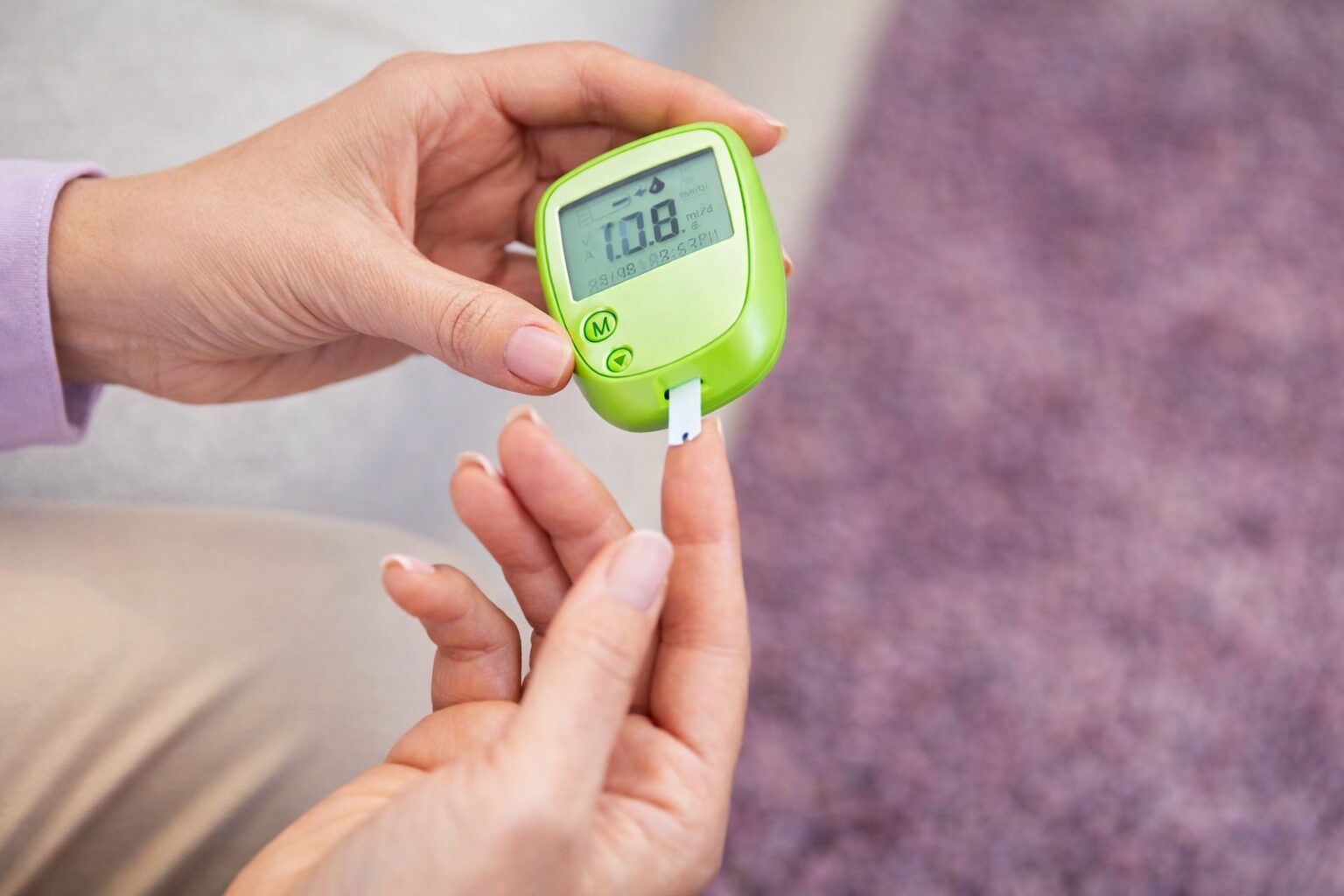
Home Glucose Monitoring

Home monitoring helps people with diabetes track daily patterns. It does not replace laboratory tests but complements professional care.

Consistency and proper device use are essential for accuracy.

Understanding Daily Glucose Fluctuations

Glucose naturally rises after meals and falls between meals. Doctors assess trends over time rather than relying on a single reading.

Long Term Benefits of Early Testing

Early glucose testing leads to:

  1. Reduced complications

  2. Improved quality of life

  3. Better response to lifestyle changes

  4. Lower healthcare costs

  5. Greater control over health outcomes

Testing empowers prevention.

Final Thoughts

Glucose is a key indicator of overall health. Blood testing provides insight that cannot be gained through symptoms alone.

Routine glucose testing supports early detection, informed decisions, and healthy ageing. It is a foundational step in preventive healthcare.

Frequently Asked Questions

What is a normal blood glucose level

A normal fasting level is typically between 70 and 99 mg per dL.

Can stress affect glucose results

Yes. Stress hormones can raise glucose levels temporarily.

Do all glucose tests require fasting

No. Only fasting glucose and oral tolerance tests require fasting.

How long does glucose stay in the blood

Glucose is used quickly, but HbA1c reflects averages over about 3 months.

Is glucose testing painful

Most tests involve a brief finger prick or blood draw with minimal discomfort.

Vitamin D Why Testing Matters More Than Ever

This Article covers Vitamin D Why Testing Matters. Vitamin D plays a central role in modern health. Despite its importance many people remain deficient without realizing it. Symptoms often stay hidden until long term damage begins. A simple blood test can reveal the truth early and help prevent serious health issues.

This guide explains why vitamin D testing is mandatory today, who benefits the most and how accurate testing supports better health decisions.

Who This Blog Is For

This blog is written for adults who feel tired, low in energy or notice changes in mood immunity or weight. It is also for people managing chronic conditions, hormonal imbalance, skin issues or hair concerns.

Busy professionals, older adults, women planning pregnancy athletes, people who work indoors and business owners focused on employee wellbeing all benefit from understanding vitamin D levels.

Healthcare conscious individuals who want preventive testing will find this information essential.

What Is Vitamin D and Why It Matters

Vitamin D is a fat soluble vitamin that functions like a hormone. It influences bone strength, immune response, muscle function and mental wellbeing.

Your body produces vitamin D when skin meets sunlight. This is why many call it the sunshine vitamin. However modern lifestyles limit sun exposure making deficiency common even in sunny regions.

Vitamin D is good for calcium absorption, immune defense and inflammation control. Without adequate levels the body struggles to maintain balance.

Vitamin D and Sunlight The Natural Source That Falls Short

Vitamin D and sunlight share a direct relationship. Sun and vitamin D production occur when ultraviolet rays trigger synthesis in the skin.

Indoor work, sunscreen pollution clothing and seasonal changes reduce exposure. Vitamin D and sunlight alone rarely meet daily needs.

Many people assume they get enough sun but blood tests often prove otherwise. This is why relying on sunlight without testing creates risk.

Why Low Vitamin D Is So Common Today

Low vitamin D levels affect millions worldwide. Modern habits explain the rise.

People spend more time indoors. Diets lack fortified foods. Aging skin produces less vitamin D. Medical conditions affect absorption.

Even those who feel healthy may have low vitamin D without symptoms. Testing remains the only reliable way to confirm status.

Symptoms That Suggest Vitamin D Testing Is Mandatory

Low vitamin D rarely shows clear warning signs at first. Over time symptoms develop.

Common signs include fatigue, bone pain, frequent illness, muscle weakness, low mood and poor sleep. Some people report hair thinning and joint discomfort.

Many patients say vitamin D stopped my hair loss after correcting deficiency. Others report vitamin D cured my fibromyalgia symptoms over time with medical guidance.

These experiences highlight why testing matters before symptoms worsen.

25 OH Vitamin D The Gold Standard Test

The 25 OH vitamin D blood test measures circulating vitamin D in the body. It is also called 25 hydroxyvitamin D3.

This test gives the most accurate view of vitamin D status. It helps doctors identify deficiency, insufficiency or excess.

Testing allows precise dosing rather than guesswork. It protects against both low and too much vitamin D.

Who Benefits Most From Vitamin D Testing

Office Workers and Indoor Professionals

Limited sunlight exposure places them at high risk. Testing prevents long term deficiency.

Women and Pregnancy Planning

Vitamin D pregnancy dose needs careful monitoring. Both low and excessive levels affect maternal and fetal health.

People With Thyroid or Weight Concerns

Vitamin D thyroid weight loss links exist. Adequate levels support metabolic balance.

Skin and Autoimmune Conditions

Vitamin D and psoriasis research shows improved outcomes with optimal levels.

Chronic Pain and Fatigue Sufferers

Some patients report vitamin D cured my fibromyalgia related fatigue after correction.

Cancer Awareness and Prevention

Studies explore vitamin D and breast cancer risk modulation. Testing supports preventive strategies.

Vitamin D and Weight Loss The Metabolic Link

Vitamin D and weight loss connections involve insulin sensitivity and inflammation control.

Deficiency may slow fat metabolism and increase cravings. Optimized levels support energy balance and physical activity.

Testing ensures levels stay within a healthy range while pursuing weight goals.

Recommended Daily Vitamin D Intake Explained

Recommended daily vitamin D intake varies by age, lifestyle and health status.

Blood testing personalizes supplementation. Generic dosing ignores individual absorption and sun exposure differences.

Doctors adjust intake based on test results ensuring safety and effectiveness.

Read more on healthline about Vitamin D

Maximum Vitamin D Per Day Why More Is Not Better

Too much vitamin D can cause toxicity. Symptoms include nausea weakness, kidney strain and calcium imbalance.

Confusion around too much vitamin D and too much vitamin D online creates risk. Supplements like fultium and desunin require medical oversight.

Testing prevents overdosing while ensuring deficiency correction.

Vitamin D Supplements When Testing Guides Choice

Prescription options such as fultium and desunin treat deficiency effectively when used correctly.

Blood tests determine duration and dosage. Without testing supplementation becomes unsafe.

Testing also confirms when to stop or reduce dosage.

Vitamin D and Hormonal Health

It influences thyroid function insulin regulation and reproductive hormones.

Vitamin D thyroid weight loss associations show improved outcomes when levels normalize.

Testing supports hormone balance strategies safely.

Vitamin D and Hair Skin and Immunity

Vitamin D supports hair follicle cycling, skin repair and immune defense.

People searching for vitamin D stopped my hair loss often discover deficiency through testing.

Vitamin D and psoriasis management improves when levels stay optimal.

Why Blood Testing Is Better Than Guessing

Symptoms overlap with many conditions. Supplements vary in strength.

Only testing shows actual vitamin D levels. It prevents under treatment and toxicity.

Blood test booking offers clarity, confidence and personalized care.

How Often Should You Test Vitamin D

Most adults benefit from annual testing. High risk individuals may test every 3 to 6 months.

Testing frequency depends on supplementation lifestyle and health status.

Book Your Vitamin D Blood Test Today

Modern health requires proactive monitoring. Vitamin D testing provides insight before symptoms escalate.

Booking a blood test supports bone immunity, hormonal balance and long term wellness.

Book a Vitamin D blood test 

Frequently Asked Questions

What is the best test for vitamin D levels

The 25 OH vitamin D blood test also known as 25 hydroxyvitamin D3 provides the most accurate results.

Can sunlight alone fix low vitamin D

Sun exposure helps but often fails to meet daily needs. Testing confirms whether sunlight is enough.

Is too much vitamin D dangerous

Yes, excessive intake can harm kidneys and calcium balance. Testing prevents overdose.

Does vitamin D help with weight loss

Vitamin D supports metabolic health and may aid weight management when levels are adequate.

Should pregnant women test vitamin D

Yes, vitamin D pregnancy dose must be tailored. Testing ensures safety for mother and baby.

How long does it take to correct deficiency

Most people see improvement within 8 to 12 weeks with guided supplementation and testing.

Anemia Complete Health Guide to Causes Testing and Long Term Management

This Article covers Anemia Complete Health Guide. Anemia is one of the most common yet underestimated health conditions worldwide. Millions of people live with low energy, reduced focus and unexplained weakness without realizing that the root cause is related to blood health. Anemia develops when the blood cannot carry enough oxygen to the body which directly impacts organs, muscles and brain function.

This health guide explains anemia in detail including why blood tests are mandatory, who benefits most from testing and how early detection can prevent serious complications. The focus remains on accurate diagnosis through laboratory testing because treatment without testing often leads to delayed recovery or worsening symptoms.

Who This Blog Is For

This blog is written for individuals who experience ongoing fatigue weakness or poor stamina without a clear reason. It is also for people managing chronic conditions such as Crohn’s disease kidney disease or type 2 diabetes weight loss where anemia often develops silently.

Healthcare conscious individuals, athletes, older adults, women with heavy menstrual cycles and anyone following restrictive diets can benefit from this guide. It also helps caregivers and families who want a clearer understanding of blood test results and nutritional deficiencies.

From a clinical perspective this guide supports those considering preventive blood testing through a reliable blood test booking service to monitor iron levels, vitamin deficiency and overall blood health.

What Is Anemia and Why It Happens

Anemia occurs when the body has an insufficient number of healthy red blood cells or when hemoglobin levels drop below normal hemoglobin levels. Hemoglobin is the protein responsible for carrying oxygen from the lungs to tissues. When hemoglobin is low oxygen delivery decreases and the body begins to slow down.

Several factors contribute to anemia. Lack of iron causes reduced hemoglobin production. Low vitamin b12 symptoms often appear when nerve function and red blood cell formation decline. Genetic disease can affect blood cell structure while chronic kidney disease treatments may influence erythropoietin production which controls red blood cell count.

Anemia rarely exists alone. It often signals an underlying issue that requires proper testing.

Common Symptoms You Should Not Ignore

Anemia presents differently depending on severity and cause. Some people experience subtle signs while others face debilitating symptoms.

Common signs include severe fatigue, dizziness, pale skin, shortness of breath and cold hands or feet. Causes of severe fatigue often trace back to hemoglobin low levels and iron levels in blood that fall outside optimal range.

Heart problems and symptoms such as rapid heartbeat chest discomfort or breathlessness can appear when anemia forces the heart to work harder. Symptoms of gastrointestinal disease including bloating diarrhea or abdominal pain may indicate malabsorption contributing to vitamin deficiency.

Low iron levels symptoms include brittle nails, hair thinning headaches and poor concentration. Lack of vitamin b symptoms may cause tingling numbness, memory issues and mood changes.

Understanding Red Blood Cells and Hemoglobin

Red blood cells play a central role in oxygen transport. A red blood cell blood test evaluates both quantity and quality of these cells. Low rbc blood test results often coincide with hemoglobin lab test abnormalities.

High red blood cells can also occur and may indicate dehydration, lung disease or other conditions requiring evaluation. Low red and white blood cells together may point toward bone marrow disorders, autoimmune disease or severe nutritional deficiencies.

Blood types do not cause anemia directly but they matter during transfusions and advanced treatments. Understanding your blood profile allows clinicians to tailor interventions effectively.

Iron Deficiency and Its Impact

Its deficiency remains the leading cause of anemia globally. Iron levels directly influence hemoglobin production. Very low iron levels reduce oxygen delivery and weaken immune function.

Side effects of low iron include extreme tiredness, breathlessness, reduced physical performance and frequent infections. Iron levels fluctuate based on diet absorption blood loss and chronic illness.

Lack of iron causes may include poor dietary intake, heavy menstrual bleeding, gastrointestinal bleeding or conditions like Crohn’s disease that impair nutrient absorption.

Testing iron levels is the only accurate way to confirm deficiency and guide safe supplementation.

Vitamin Deficiency and Anemia Connection

Vitamin deficiency significantly contributes to anemia, especially deficiencies involving vitamin B12 folate and vitamin D. Low vitamin B12 symptoms often overlap with neurological issues making early detection essential.

B12 deficiency causes include poor absorption autoimmune disorders, long term medication use and restrictive diets. Causes of low vitamin D also affect bone health immunity and inflammation which indirectly influence blood production.

Without testing vitamin supplementation becomes guesswork. A targeted blood test prevents overdose and ensures effective correction.

Chronic Conditions That Increase Anemia Risk

Many chronic illnesses elevate anemia risk. Kidney disease and treatment often disrupt hormone balance affecting red blood cell production. Chronic kidney disease treatments must address anemia to improve quality of life.

Symptoms of gastrointestinal disease often correlate with nutrient malabsorption leading to iron and vitamin deficiency. Type 2 diabetes weight loss may mask anemia symptoms while increasing metabolic stress.

Genetic disease such as thalassemia alters red blood cell structure and lifespan requiring lifelong monitoring. Blood tests help differentiate inherited conditions from nutritional anemia.

Why Blood Tests Are Mandatory Not Optional

Anemia cannot be accurately diagnosed through symptoms alone. Blood tests provide objective data that determine cause severity and treatment strategy.

A complete blood profile evaluates red blood cell count hemoglobin lab test values iron levels in blood and markers of inflammation. Types of blood tests may include iron studies, vitamin panels kidney markers and thyroid assessments.

Testing identifies whether anemia stems from iron deficiency vitamin deficiency chronic disease or bone marrow dysfunction. Without testing, treatment delays increase complication risk.

Regular testing allows early detection before symptoms escalate into heart problems and symptoms or long term organ damage.

Book a Anemia Blood Test

Who Benefits Most From Regular Blood Testing

People with ongoing fatigue, digestive disorders or chronic illness benefit the most from scheduled blood testing. Women of reproductive age, older adults, vegetarians and athletes face higher risk of iron and vitamin deficiency.

Individuals managing kidney disease diabetes or autoimmune conditions require routine monitoring to prevent complications. Early testing improves treatment outcomes and reduces hospital visits.

Using a professional blood test booking service ensures convenience accuracy and timely reporting which supports proactive health decisions.

Nutritional Guidelines to Support Healthy Blood

Nutrition plays a vital role in anemia prevention and management. Balanced intake of iron rich foods, vitamin B sources and adequate protein supports red blood cell production.

Nutritional guidelines emphasize combining iron sources with vitamin C to enhance absorption. Avoid excessive tea or coffee with meals as they inhibit iron uptake.

However diet alone cannot correct moderate to severe anemia. Blood tests confirm whether dietary changes suffice or medical treatment becomes necessary.

Long Term Management and Treatment Options

Low hemoglobin treatment depends on the underlying cause. Iron supplementation treats deficiency while vitamin injections address absorption issues. Chronic kidney disease treatments may include erythropoiesis stimulating agents.

Monitoring ensures treatment effectiveness and prevents overload. Regular blood testing tracks progress and adjusts therapy safely.

Managing anemia improves energy cognition, cardiovascular health and overall wellbeing.

Read more on healthline about Anemia

FAQs About Anemia and Blood Testing

What causes anemia most commonly

Iron deficiency remains the most common cause followed by vitamin deficiency, chronic disease and genetic disease.

Can anemia cause fatigue even if mild

Yes, even mild anemia causes fatigue, reduced focus and exercise intolerance.

How often should blood tests be done

Frequency depends on risk level and existing conditions. Many benefit from testing once or twice per year.

Can anemia affect heart health

Yes prolonged anemia strains the heart and may worsen heart problems and symptoms.

Are blood tests necessary before supplements

Yes testing prevents incorrect treatment and identifies the true cause.

Does gastrointestinal disease increase anemia risk

Yes, symptoms of gastrointestinal disease often signal nutrient malabsorption.

Can anemia exist with normal iron levels

Yes vitamin deficiency kidney disease or genetic disease may cause anemia without iron deficiency.


Iron in the Body A Complete Guide to Iron Tests Nutrition and Health

Iron is one of the most essential minerals in the human body. It plays a direct role in oxygen transport energy production, immune strength and cognitive function. Despite this importance, iron imbalance remains one of the most common yet ignored health issues globally. Both low and high iron levels can silently damage health if not tested on time.

This blog is written for individuals who want to understand iron in the body, health conscious adults athletes , people with fatigue symptoms, parents caregivers and anyone booking blood tests to monitor nutritional health. 

This guide explains why iron tests are mandatory, who benefits from them nutritional sources of iron and how to maintain balanced iron levels without guesswork.

What Is Iron and Why It Matters

Iron is a vital mineral that supports hemoglobin formation. Hemoglobin is the protein in red blood cells responsible for carrying oxygen from the lungs to tissues. Without enough iron the body cannot produce healthy red blood cells. Too much iron can also cause organ damage.

Iron in the body supports multiple systems including muscle metabolism, brain function hormone regulation and immune response. Because the body does not actively excrete excess iron, balance depends on diet absorption and internal regulation.

Types of Iron and How the Body Uses Them

There are 2 main types of iron consumed through diet.

Heme Iron

Heme iron comes from animal based foods. It is absorbed efficiently by the body. Examples include eggs, meat , poultry and seafood. Iron in eggs is a notable source especially for people who do not consume red meat regularly.

Non Heme Iron

Non heme iron is found in plant based foods. It has lower absorption rates but remains essential. Foods like spinach broccoli bananas and fortified grains fall into this category. Iron in spinach and iron in broccoli are commonly recommended for plant focused diets.

The body absorbs iron based on current needs. Vitamin C enhances absorption while calcium and certain compounds can reduce it.

Iron in the Body How Balance Works

Iron in the body is stored mainly in the liver spleen and bone marrow. The body regulates iron absorption rather than excretion. This means problems often develop slowly and without early symptoms.

Low iron can lead to iron deficiency anemia. High iron also known as iron overload can result from excessive supplementation genetic conditions or repeated transfusions.

High iron levels can damage the liver, heart and pancreas. This is why testing is critical before taking supplements.

Why Iron Tests Are Mandatory for Health Monitoring

Iron tests are not optional for long term health management. Symptoms of iron imbalance often appear late when damage has already started.

Iron blood tests help measure serum iron ferritin total iron binding capacity and transferrin saturation. Together these markers show how much iron is circulating, stored and available for use.

Iron tests are mandatory for several groups.

People with chronic fatigue dizziness or weakness
Women with heavy menstrual cycles
Pregnant women and post pregnancy recovery
Athletes with high physical demand
Vegetarians and vegans
People taking iron supplements
Individuals with digestive disorders
People with liver or metabolic conditions

Testing prevents blind supplementation and allows precise treatment.

Who Benefits Most From Iron Testing

Iron testing benefits a wide range of individuals.

Working professionals with low energy levels
Students with concentration issues
Fitness focused individuals optimizing performance
Older adults monitoring nutrient absorption
People managing chronic illnesses
Families seeking preventive health checks

Regular testing helps detect problems early and avoids complications. 

Dietary Sources of Iron Explained Clearly

Iron intake should come primarily from food. Understanding sources helps maintain balance naturally.

Iron in Eggs

Iron in eggs supports red blood cell production and muscle function. Eggs provide heme iron and are easy to digest making them suitable for daily diets.

Iron in Banana

Iron in bananas is present in small amounts but bananas support iron absorption due to their vitamin and enzyme content. They are helpful as part of a balanced diet.

Iron in Broccoli

Iron in broccoli is a plant based source combined with vitamin C which improves absorption. It is especially beneficial for people following plant focused diets.

Iron in Spinach

Iron in spinach is widely known but it is non heme iron. Cooking spinach improves absorption by reducing compounds that block iron uptake.

Iron in Milk

Iron in milk is very low. Dairy can actually reduce iron absorption if consumed in excess with iron rich meals. This is important for children and adults relying heavily on milk.

Black Iron Nutrition

Black iron nutrition refers to iron rich foods that are dark in color such as black beans, lentils and certain seeds. These foods support iron intake when combined with absorption enhancing nutrients.

Use of Iron in Daily Body Functions

The use of iron extends far beyond preventing anemia.

Supports oxygen delivery to cells
Improves energy metabolism
Enhances immune defense
Maintains cognitive performance
Supports muscle recovery
Aids hormone synthesis

Without balanced iron levels the body cannot function optimally even if other nutrients are sufficient.

Read more about Iron on healthline

Iron Risks and Why Testing Prevents Harm

High iron levels are dangerous. it can lead to oxidative stress organ inflammation and long term tissue damage.

Common causes include excessive supplementation, genetic conditions and repeated blood transfusions.

Symptoms of high iron may include joint pain, abdominal discomfort fatigue, irregular heartbeat and skin discoloration.

Testing identifies high iron early and prevents unnecessary supplementation. 

Iron Kingdom Understanding Iron in Health Systems

The term iron kingdom is often used to describe iron importance across biological systems. Iron influences blood immune response energy metabolism and neurological health.

Within the iron kingdom, balance is the key principle. More iron is not better. Less iron is not safe. Testing is the only reliable way to understand personal iron status.

How Blood Test Booking Services Add Value

For blood test booking iron tests are a core offering.

They support preventive health
They reduce self diagnosis risks
They guide nutrition and supplementation

Book a Iron Blood test

Frequently Asked Questions

Why are iron tests necessary even without symptoms

Iron imbalance develops silently. Testing detects issues before symptoms appear and prevents long term damage.

Can I rely only on diet for iron balance

Diet is important but absorption varies. Testing confirms whether dietary intake is sufficient or excessive.

Is high iron more dangerous than low iron

Both are harmful. High iron can damage organs while low iron reduces oxygen delivery. Testing determines safe levels.

How often should iron tests be done

Frequency depends on health status, age, diet and medical advice. Many adults benefit from annual testing.

Does taking iron supplements improve energy automatically

No. Supplements only help if iron deficiency exists. Taking iron without testing can cause harm.

Final Takeaway

Iron is essential but balance is critical. Iron in the body affects energy immunity and overall health. Understanding types of iron dietary sources and the use of iron helps support wellness but testing is the foundation of safe care.

Blood test booking services that prioritize iron testing empower individuals to make informed decisions and prevent avoidable health risks. Iron health is not guesswork. It is measurable, manageable and essential.

0
    0
    Your Cart
    Your cart is emptyReturn to Shop
    0
      0
      Your Cart
      Your cart is emptyReturn to Shop