Category: Blogs
The Vitamin Deficiencies Behind Hair Thinning

The Hormone–Skin Connection: What’s Really Causing Your Breakouts

How Inflammation Ages You Faster (and What to Do About It)

What Is the Difference Between Iron Deficiency and Anaemia?
Iron Deficiency vs Anaemia: What’s the Difference?
The terms iron deficiency and anaemia are often used interchangeably — but they are not the same condition.
Iron deficiency is common.
Anaemia is what can happen if iron deficiency progresses.
Understanding the difference matters — especially if you are experiencing fatigue, dizziness or low energy.
What Is Iron Deficiency?
Iron deficiency means your body’s iron stores are low.
Iron is essential for:
- Producing haemoglobin
- Carrying oxygen around the body
- Supporting energy production
- Maintaining cognitive function
The earliest marker of iron deficiency is usually low ferritin, which reflects your stored iron.
At this stage, your haemoglobin may still be normal.
That means you can feel symptoms — even before anaemia develops.
Common Symptoms of Iron Deficiency
- Ongoing fatigue
- Hair thinning
- Brittle nails
- Reduced exercise tolerance
- Brain fog
- Cold sensitivity
Many people dismiss these as “just being busy” — but low ferritin is extremely common, particularly in women.
What Is Anaemia?
Anaemia occurs when iron deficiency progresses to the point where haemoglobin levels fall below normal.
Haemoglobin carries oxygen in your red blood cells.
When haemoglobin drops:
- Oxygen delivery decreases
- Energy production suffers
- Physical performance declines
This is when symptoms often become more obvious.
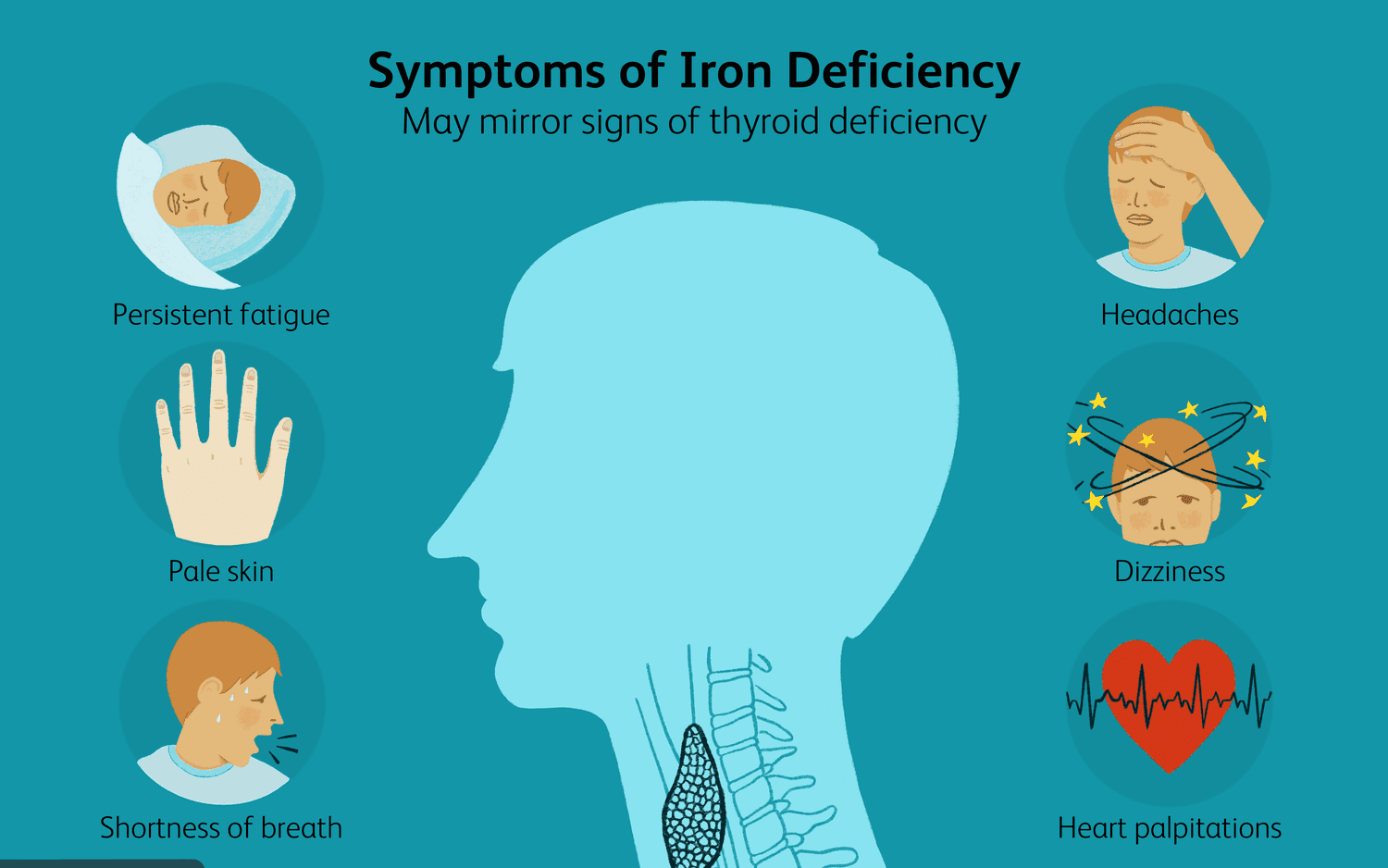
Symptoms of Iron Deficiency Anaemia
- Extreme fatigue
- Shortness of breath
- Dizziness
- Pale skin
- Headaches
- Cold hands and feet
Anaemia is essentially the advanced stage of iron deficiency.
What Causes Iron Deficiency?
Common causes include:
- Heavy menstrual bleeding
- Pregnancy
- Vegetarian or vegan diets
- Gastrointestinal absorption issues
- Frequent blood donation
- High endurance training
- Poor dietary intake
Athletes are also at increased risk due to higher iron turnover.
Can You Be Iron Deficient Without Being Anaemic?
Yes — and this is very common.
Many people have low ferritin but normal haemoglobin.
This is why testing ferritin alone is not enough — and why symptoms shouldn’t be ignored.
Early detection prevents progression.
How Is Iron Deficiency Diagnosed?
A proper iron panel should include:
- Ferritin
- Serum iron
- Transferrin
- Total iron-binding capacity
- Full blood count
At Youth Revisited, the Anaemia Profile is designed to assess these markers together, providing clarity rather than guesswork.
When Should You Test?
Consider testing if you:
- Feel persistently tired
- Experience heavy periods
- Follow a plant-based diet
- Struggle with endurance or recovery
- Have a history of low iron
Even if you are supplementing.
Taking iron without testing can:
- Mask underlying issues
- Lead to incorrect dosing
- Delay proper diagnosis
Should You Take Iron Without Testing?
Iron is not a “harmless” supplement.
Too much iron can cause:
- Digestive discomfort
- Oxidative stress
- Potential long-term complications
Testing first ensures you supplement appropriately.
If You’re Unsure Where to Start
If fatigue is your main concern but you are unsure whether iron is the issue, a broader test such as the NutriCheck Vitality & Vitamins Test may provide additional context.
Explore Vitamin & Nutrition Testing
Frequently Asked Questions
Is iron deficiency the same as anaemia?
No. Iron deficiency refers to low iron stores. Anaemia occurs when low iron reduces haemoglobin levels.
Can iron deficiency cause hair loss?
Yes, low ferritin has been associated with hair thinning.
How long does it take to correct iron deficiency?
Typically 8–12 weeks of monitored supplementation, but levels should be retested.
Can men get iron deficiency?
Yes, although it is more common in women, men can also develop low iron levels.
What Blood Tests Should I Take for Constant Fatigue?
What Blood Tests Should I Take for Constant Fatigue?
Feeling tired occasionally is normal.
Feeling exhausted most days is not.
Fatigue is one of the most common reasons people seek blood testing — and for good reason.
It’s often linked to nutritional deficiencies that can be identified and corrected.
But the key question is:
Which test should you take?
The Most Common Nutrient Causes of Fatigue
While fatigue can have many causes, several nutritional deficiencies are frequently involved:
1. Iron Deficiency
Low iron can reduce oxygen delivery throughout the body.
Symptoms may include:
- Persistent tiredness
- Shortness of breath
- Dizziness
- Pale skin
- Cold hands and feet
Iron deficiency is particularly common in:
- Women with heavy periods
- Vegetarians and vegans
- Endurance athletes
Consider the Anaemia Profile if iron is suspected.
2. Vitamin B12 Deficiency
B12 plays a key role in energy production and nerve function.
Symptoms can include:
- Brain fog
- Low energy
- Tingling sensations
- Memory difficulties
Vegetarians and vegans are at higher risk.
3. Low Vitamin D
Vitamin D deficiency is extremely common in the UK, especially in winter months.
Low levels have been associated with:
- Fatigue
- Low mood
- Muscle weakness
4. Folate Deficiency
Folate works closely with B12 and iron in supporting energy and blood health.
Which Test Is Right for You?
The right test depends on your symptoms and context.
If You Suspect Iron or Anaemia
If you experience:
- Heavy periods
- Dizziness
- Breathlessness
- Extreme tiredness
The Anaemia Profile provides focused testing of iron stores and related markers.
If You’re Unsure What’s Causing Fatigue
When the cause isn’t obvious, a broader test makes more sense.
The NutriCheck Vitality & Vitamins Test assesses key vitamins and minerals commonly linked to fatigue.
This gives a wider overview rather than focusing on one nutrient alone.
View NutriCheck Vitality & Vitamins
If You Train Regularly
Fatigue in athletes and gym users can be linked to:
- Recovery stress
- Nutritional depletion
- Inflammation
- Micronutrient imbalance
The Competitive Athlete Blood Test provides a more comprehensive performance-focused assessment.
Explore the Competitive Athlete Blood Test
What If My Blood Tests Come Back Normal?
That’s valuable information too.
It rules out common nutritional causes and allows you to explore other explanations with your GP or healthcare provider.
Testing is about clarity — not assumptions.
How Often Should You Test for Fatigue?
If you’re:
- Starting supplementation → retest in 8–12 weeks
- Managing a known deficiency → follow professional guidance
- Training intensely → periodic monitoring can be helpful
Don’t Accept Constant Fatigue as “Normal”
Many people normalise feeling exhausted.
But fatigue is often a signal.
The right blood test can identify:
- Deficiencies
- Imbalances
- Areas needing attention
And once identified, these can often be addressed effectively.
Next Steps
If you’re unsure which test is right for you:
Take the Youth Revisited Quiz
Explore Vitamin & Nutrition Testing
Clarity leads to better decisions.
And better decisions lead to better outcomes.
Are Your Supplements Actually Working?

Are Your Supplements Actually Working?
Walk into any pharmacy or health store and you’ll see hundreds of supplements.
Vitamin D for mood.
Iron for energy.
Magnesium for sleep.
B12 for brain function.
Multivitamins for “just in case”.
The UK supplement industry is worth billions.
But here’s the uncomfortable truth:
Most people have no idea whether their supplements are actually working.
Taking a Supplement Doesn’t Guarantee an Effect
There are three key problems people rarely consider:
- You may not actually need the supplement
- Your body may not be absorbing it properly
- Your levels may not have improved — even after months
Many people take vitamins for years without ever testing their blood levels.
Instead, they rely on how they “feel”.
But how you feel is not always a reliable measure of nutritional status.
Why Guessing Doesn’t Work
You might think:
“I still feel tired, so maybe I need more iron.”
“My mood hasn’t improved, maybe I need more vitamin D.”
“I’m taking magnesium but still not sleeping well.”
Increasing dosage without testing can sometimes:
- Be unnecessary
- Mask the real issue
- Lead to imbalances
- Waste money
Testing removes the guesswork.
How Do You Actually Know If Supplements Are Working?
The only reliable way is through blood testing.
A blood test can show:
- Your current vitamin and mineral levels
- Whether you are deficient
- Whether your supplementation has improved levels
- Whether you are now within optimal range
- If you are taking something you don’t actually need
At Youth Revisited, our NutriCheck Vitality & Vitamins Test measures key markers linked to energy, mood and overall health, including:
- Vitamin D
- Vitamin B12
- Iron status
- Folate
- Magnesium
This provides objective data.
Not assumptions.
View the NutriCheck Vitality & Vitamins Test.
How Long Should You Take Supplements Before Testing?
A general guide:
- 8–12 weeks of supplementation is usually sufficient to see measurable changes
- If you’ve been supplementing for 3+ months, testing is strongly recommended
If you’re taking supplements “long term” without monitoring levels, you’re essentially operating blind.
Can You Take Too Many Supplements?
Yes.
While most water-soluble vitamins are excreted in excess, fat-soluble vitamins like vitamin D can accumulate.
Over-supplementation can sometimes lead to:
- Imbalances
- Digestive discomfort
- Unnecessary cost
Testing ensures you’re targeting what you actually need.
Who Should Definitely Consider Testing?
You should consider testing if:
- You feel persistently fatigued
- You’ve been taking supplements for 3+ months
- You follow a vegetarian or vegan diet
- You train regularly
- You experience heavy periods
You’ve never checked your vitamin levels.
Supplements Should Be Personal — Not Generic
What works for one person may not work for another.
Two people can take the same supplement, same dose, same brand — and have completely different blood results.
That’s why personalised testing matters.
The Bottom Line
Supplements are tools.
But without testing, you don’t know whether the tool is doing its job.
If you’re investing in your health, it makes sense to measure it.
Explore Vitamin & Nutrition Testing
Take the Quiz to Find the Right Test
Guide to Getting Your Skin to Glow

Healthy glowing skin is not about filters trends or expensive treatments. It is about consistent habits evidence based skincare and supporting your body from within. If your skin looks dull tired uneven or dehydrated this guide will help you build a structured glow routine that actually works.
This blog is for women and men who want clear radiant skin without overcomplicating their routine. It is especially helpful for busy professionals gym goers and anyone 25 plus who wants to improve skin texture hydration and overall tone in a safe sustainable way.
What Does Glowing Skin Really Mean
Glowing skin is not oily or shiny skin. Dermatologically speaking glow comes from:
- Even skin tone
- Smooth texture
- Good hydration levels
- Strong skin barrier
- Healthy microcirculation
When skin reflects light evenly it appears luminous. When it is inflamed dehydrated or congested it looks dull.
The goal is not perfection. The goal is balanced resilient skin.
Step 1 Build a Strong Skin Foundation
Before using advanced products focus on the basics.
Cleanse Properly
Use a gentle cleanser twice daily. Avoid harsh foaming cleansers that strip natural oils. Over cleansing damages the skin barrier and reduces glow.
If you wear makeup or sunscreen use a double cleanse at night. Start with an oil based cleanser then follow with a mild water based cleanser.
Hydrate Correctly
Hydration is non negotiable. Dehydrated skin looks flat and lifeless.
Use:
- Hyaluronic acid serum on damp skin
- A moisturizer suited to your skin type
- An occlusive at night if your skin feels tight
Drink adequate water daily. Skin hydration reflects internal hydration.
Protect With Sunscreen
UV damage is the biggest cause of pigmentation uneven tone and premature ageing. Use SPF 30 or higher every single day even in cloudy weather.
Without sun protection your glow efforts will fail.
Step 2 Exfoliate With Strategy Not Aggression
Exfoliation removes dead skin cells that block radiance. However over exfoliation causes inflammation and sensitivity.
Choose one method:
- Chemical exfoliation with AHA for dry skin
- BHA for oily acne prone skin
- PHA for sensitive skin
Use 1 to 3 times per week depending on tolerance. Avoid mixing multiple strong actives in one routine.
When done correctly exfoliation improves:
- Texture
- Brightness
- Product absorption
- Skin clarity
When overdone it causes redness breakouts and dullness.
Step 3 Strengthen the Skin Barrier
Your barrier controls moisture retention and protection against environmental stress.
Signs of barrier damage include:
- Stinging when applying products
- Flaky patches
- Increased sensitivity
- Random breakouts
Use ingredients like:
- Ceramides
- Niacinamide
- Panthenol
- Glycerin
Avoid constant product switching. Consistency supports glow more than trends.
Step 4 Feed Your Skin From Within
External skincare alone cannot create a long lasting glow. Nutrition sleep and circulation matter.
Support With Nutrient Dense Foods
Focus on:
- Leafy greens
- Citrus fruits
- Nuts and seeds
- Oily fish
- Protein rich meals
Key nutrients for skin luminosity include:
- Vitamin C for collagen production
- Iron for oxygen transport
- Zinc for healing
- Omega 3 for inflammation control
If you experience fatigue pale skin or hair thinning consider checking iron levels with a GP before supplementing.
Improve Blood Flow
Regular exercise improves microcirculation. Increased blood flow brings oxygen and nutrients to skin cells which enhances radiance.
Even 30 minutes of walking daily can make visible differences over time.
Step 5 Sleep and Stress Management
Cortisol spikes damage collagen and trigger breakouts. Chronic stress leads to dullness.
Aim for 7 to 8 hours of sleep per night. During deep sleep your body repairs skin cells and balances hydration levels.
To manage stress:
- Practice breathwork
- Limit late night screen exposure
- Maintain a consistent sleep schedule
Your skin reflects internal balance.
Step 6 Target Specific Glow Blockers
Different skin concerns require targeted solutions.
For Pigmentation
Use:
- Vitamin C in the morning
- Alpha arbutin or tranexamic acid
- Strict sun protection
Consistency over 8 to 12 weeks shows improvement.
For Acne Marks
Focus on:
- Gentle exfoliation
- Niacinamide
- Avoiding picking
Inflammation control is essential.
For Dry Rough Texture
Add:
- Lactic acid
- Rich night cream
- Humidifier in dry environments
Hydration and barrier repair restore luminosity.
Professional Treatments That Enhance Glow
If you want faster results consider evidence based treatments performed by qualified professionals.
Popular glow boosting treatments include:
- Chemical peels
- Microneedling
- LED therapy
- Hydrafacial
Always consult a licensed practitioner before starting any treatment. Avoid aggressive procedures if your barrier is compromised.
Morning Glow Routine Example
1 Cleanser
2 Vitamin C serum
3 Hydrating serum
4 Moisturizer
5 SPF 30 plus
Keep it simple and consistent.
Night Glow Routine Example
1 Double cleanse
2 Treatment serum or exfoliant on scheduled days
3 Barrier supporting serum
4 Moisturizer
5 Optional occlusive if needed
Glow develops over weeks not overnight.
Common Mistakes That Prevent Skin From Glowing
- Using too many actives at once
- Skipping sunscreen
- Ignoring internal nutrition
- Inconsistent routines
- Expecting instant results
Sustainable radiance comes from discipline not hype.
Who Is This Blog For
This guide is designed for:
- Adults 25 plus noticing dullness or uneven tone
- Individuals starting a structured skincare routine
- Gym goers focusing on overall wellness
- Professionals exposed to stress and screen time
- Anyone who wants healthy glow without harsh treatments
If you prefer science backed practical skincare advice this guide is for you.
How Long Does It Take to See Results
Visible improvement typically appears within 4 to 6 weeks when you follow a consistent routine. Barrier repair may take 2 to 4 weeks. Pigmentation correction often requires 8 to 12 weeks.
Skin regeneration cycles average 28 days in adults but slow with age.
Patience is essential.
Frequently Asked Questions
How can I get glowing skin naturally
Focus on hydration balanced nutrition sun protection and consistent gentle skincare. Avoid over exfoliating and prioritize sleep.
Can drinking more water improve glow
Water supports hydration but alone it will not fix dull skin. Combine internal hydration with topical moisturizers and barrier repair.
Is oily skin already glowing skin
No. Excess oil and healthy radiance are different. Balanced hydrated skin reflects light evenly without looking greasy.
Do supplements help with skin glow
Supplements may help if you have a confirmed deficiency such as low iron or low vitamin D. Always consult a healthcare professional before starting supplements.
How often should I exfoliate for glow
1 to 3 times per week depending on your skin type and product strength. Sensitive skin should exfoliate less frequently.
At what age should I start anti ageing skincare
Preventative care including sunscreen and antioxidants can start in your 20s. Active treatments should be introduced gradually based on skin needs not age alone.
Final Thoughts
Glowing skin is a reflection of internal health consistent skincare and realistic expectations. You do not need 10 products or extreme treatments. You need structure patience and evidence based decisions.
Build a routine protect your barrier support your body and stay consistent. Over time your skin will look brighter smoother and naturally radiant.
Walking Boosts Weight Loss Guide

Weight loss does not require extreme diets or punishing workouts. For most adults, walking remains the most sustainable weight loss exercise backed by clinical research. If you have ever asked how many calories should I burn a day, how many calories does walking burn, or whether walking 1 hour a day for a month results are noticeable, this guide explains it clearly.
This blog is for adults who want healthy weight loss per week without crash dieting, people experiencing losing weight without trying and seeking structure, beginners starting a fat loss exercise plan, and anyone concerned about weight loss and hair loss due to aggressive calorie restriction.
1. Walking Increases Daily Calorie Burn Safely
Fat loss depends on energy balance. If you burn more calories than you consume, your body uses stored fat.
Many people ask how many calories should you burn each day. The answer depends on age, sex, weight, and activity level. On average, adults burn between 1800 and 2500 calories per day including basal metabolism and movement. Creating a 300 to 500 calorie daily deficit supports healthy weight loss per week of about 0.25 to 0.5 kg.
Walking supports this deficit without overstressing the body. A 70 kg adult burns approximately 200 to 300 calories per hour during brisk walking. Heavier individuals burn more because energy expenditure rises with body mass.
2. Brisk Walking Activates Fat Oxidation
Not all walking is equal. Brisk walking increases heart rate into a moderate intensity zone, typically 60 to 70 percent of maximum heart rate. At this level, the body relies significantly on fat oxidation.
If you compare walking and weight loss with high intensity cardio, walking is easier to sustain long term. Sustainability matters more than short bursts of extreme effort.
For most adults, brisk walking means 5 to 6 km per hour where conversation is possible but slightly challenging.
3. Walking 1 Hour a Day for a Month Results in Measurable Change
People often search walking 1 hour a day for a month results. Research shows that 60 minutes of moderate walking daily can burn roughly 6000 to 9000 calories over 30 days, depending on body weight.
Since 1 kg of body fat stores roughly 7700 calories, consistent walking alone may support about 0.5 to 1 kg of fat loss per month when diet remains stable.
Results improve when paired with balanced nutrition and adequate protein intake.
4. Steps to Calories: Understanding the Numbers
Many fitness trackers estimate steps to calories. On average:
- 1000 steps burn about 30 to 50 calories
- 10000 steps burn about 300 to 500 calories
However, step count alone does not determine results. Stride length, walking speed, incline, and body weight all affect how many calories does walking burn.
Instead of obsessing over numbers, aim for progressive consistency. Increasing daily steps from 4000 to 8000 can significantly raise average calorie burn per day.
5. Walking Reduces Visceral Fat
Visceral fat surrounds internal organs and increases risk of metabolic disease. Moderate intensity aerobic activity like walking improves insulin sensitivity and reduces abdominal fat.
Unlike spot reduction myths, you cannot directly lose face fat through facial exercises. When total body fat decreases, facial fat also reduces gradually.
Walking to lose weight supports whole body fat reduction, including visible areas such as the face.
6. Walking Supports Hormonal Balance
Extreme dieting often leads to weight loss and hair loss due to micronutrient deficiencies and hormonal disruption.
Walking avoids excessive stress hormone spikes seen in overtraining. When combined with adequate protein, iron, zinc, and healthy fats, it supports steady fat loss without compromising hair health.
If someone experiences losing weight without trying, medical evaluation is important. Unintentional weight loss may indicate thyroid imbalance, gastrointestinal issues, or chronic illness.
7. Walking Preserves Lean Muscle Mass
Crash dieting can reduce both fat and muscle mass. Muscle loss lowers metabolic rate.
Walking, especially when combined with light resistance training 2 to 3 times weekly, helps preserve lean mass. Maintaining muscle improves metabolic efficiency and increases average calorie burn per day.
Compared to running, walking produces less joint stress. For beginners or individuals with knee pain, it may be the best exercise to lose weight sustainably.
8. Walking Improves Appetite Regulation
Moderate activity helps regulate appetite hormones such as ghrelin and leptin. Many people notice improved hunger control after daily walking.
This supports consistent calorie control without severe restriction. Instead of asking only how many calories should I burn a day, also consider how walking improves dietary discipline naturally.
Balanced meals with fibre, protein, and whole foods enhance this effect.
9. Walking Lowers Cortisol and Emotional Eating
Chronic stress increases cortisol, which promotes abdominal fat storage and cravings for high sugar foods.
Walking outdoors reduces psychological stress and improves mood. Lower cortisol supports fat loss exercise goals indirectly by reducing emotional eating.
Even 20 to 30 minutes daily provides measurable mental health benefits.
10. Walking Builds Long Term Adherence
The most effective weight loss exercise is the one you can maintain for years.
Many people rely on tools such as a calories burned running calculator to estimate expenditure from intense workouts. Running burns more calories per minute than walking. However, higher injury rates reduce long term consistency.
Walking has low injury risk, minimal equipment needs, and fits easily into daily life. Consistency over 12 months produces more meaningful results than extreme programs lasting 4 weeks.
How Many Calories Should You Burn Each Day
There is no universal number. Instead:
- Determine your maintenance calories using a validated calculator.
- Create a 300 to 500 calorie deficit daily.
- Combine dietary adjustment with walking and weight loss strategy.
For most adults, burning an additional 250 to 400 calories through brisk walking plus reducing food intake slightly creates effective fat loss.
Avoid excessive deficits above 800 calories daily unless medically supervised. Large deficits increase fatigue, hair thinning, hormonal imbalance, and rebound weight gain.
What Is Healthy Weight Loss Per Week
Healthy weight loss per week typically ranges from 0.25 to 0.5 kg.
Losing more than 1 kg weekly often indicates water loss or muscle depletion rather than sustainable fat reduction.
Walking to lose weight aligns with gradual fat loss while protecting metabolism.
Who This Blog Is For
This guide is for:
- Adults seeking safe, evidence based weight reduction
- Beginners looking for the best exercise to lose weight without gym intimidation
- Individuals concerned about weight loss and hair loss
- People confused about steps to calories and daily burn targets
- Anyone aiming for sustainable fat loss exercise routines
If you have medical conditions, consult a healthcare professional before major lifestyle changes.
Practical Weekly Plan
To integrate walking effectively:
- Walk 30 to 60 minutes daily at brisk pace
- Target 8000 to 10000 steps consistently
- Add 2 resistance sessions weekly
- Maintain protein intake at about 1.2 to 1.6 g per kg body weight
- Sleep 7 to 8 hours nightly
Track progress through waist measurement and energy levels, not only scale weight.
Common Mistakes to Avoid
- Overestimating calories burned
- Eating back all exercise calories
- Ignoring strength training
- Cutting calories too aggressively
- Expecting spot fat reduction
Walking works when combined with realistic nutrition habits.
Frequently Asked Questions
How many calories does walking burn in 30 minutes
A 70 kg adult burns approximately 100 to 150 calories during 30 minutes of brisk walking. Heavier individuals burn more.
Is walking enough for weight loss
Yes, if it creates a consistent calorie deficit. Combining walking with balanced nutrition improves results.
Can walking help lose face fat
Walking reduces overall body fat. As total fat decreases, facial fat gradually reduces.
Why am I losing weight without trying
Unintentional weight loss may indicate thyroid disorders, diabetes, digestive problems, or stress. Seek medical evaluation if weight drops unexpectedly.
Does walking cause hair loss
Walking does not cause hair loss. Severe calorie restriction and nutrient deficiency can contribute to hair shedding.
Is running better than walking
Running burns more calories per minute. However, walking has lower injury risk and higher long term adherence for many adults.
Blood Sugar Complete Guide

Managing blood sugar is central to long term metabolic health. Whether you want to improve energy, prevent chronic disease, or understand your lab results, this guide explains blood glucose in a clear and clinically structured way.
At Youth Revisited, many clients ask what their numbers mean, what is considered normal, and when to take action. This guide provides accurate, practical answers without confusion.
Who This Blog Is For
This article is written for:
- Adults who want to understand normal blood sugar levels for adults
• Individuals within the pre diabetic range
• People experiencing signs of sugar diabetes
• Anyone monitoring fasting blood sugar or undergoing an hb1c test
• Women preparing for or completing a glucose test pregnancy
• Health conscious individuals focused on prevention
If you have seen terms such as hyperglycemia, low blood sugar, or high glucose in blood on a lab report and felt uncertain, this guide is for you.
What Is Blood Sugar
Blood sugar refers to the concentration of glucose in your bloodstream. Blood glucose is your body primary energy source. After eating carbohydrates, your digestive system converts them into glucose, which enters circulation.
Your pancreas releases insulin to transport glucose into cells. When this system functions properly, you remain within a healthy blood sugar range. When regulation fails, blood glucose levels rise or fall outside the optimal blood sugar level.
Understanding Normal Blood Sugar Levels
Blood Sugar Normal Range
The blood sugar normal range may vary slightly between laboratories, but general clinical references include:
Fasting blood sugar: 4.0 to 5.5 mmol/L
2 hours after eating: below 7.8 mmol/L
HbA1c: below 5.7 percent
These values define the glucose normal range and blood glucose normal range for most adults.
A normal blood sugar reading within this range indicates effective insulin regulation.
Normal Blood Sugar Levels for Adults
Normal blood sugar levels for adults should remain stable throughout the day. Minor fluctuations occur after meals, but values should return to baseline within 2 to 3 hours.
The sugar level normal range reflects metabolic efficiency and insulin sensitivity.
Acceptable Blood Sugar Levels vs Optimal Levels
Acceptable blood sugar levels fall within diagnostic limits. However, an optimal blood sugar level typically sits toward the lower half of the reference range.
Maintaining a stable blood sugar level range supports:
- Consistent energy
• Clear cognition
• Reduced inflammation
• Lower cardiovascular risk
• Hormonal balance
High Blood Sugar and Hyperglycemia
What Is Hyperglycemia
Hyperglycemia occurs when blood glucose rises above the normal range. It develops when insulin production is insufficient or when cells resist insulin action.
High glucose in blood may appear temporarily after large meals or persistently in metabolic dysfunction.
Symptoms of High Blood Sugar
Common symptoms include:
- Increased thirst
• Frequent urination
• Blurred vision
• Fatigue
• Slow wound healing
Chronic hyperglycemia increases the risk of nerve damage, kidney disease, and cardiovascular complications.
Signs of Sugar Diabetes
Early signs of sugar diabetes often go unnoticed. These include:
- Persistent fatigue
• Increased hunger
• Recurrent infections
• Tingling in hands or feet
• Unexplained weight changes
If your normal sugar level reading consistently exceeds recommended limits, further evaluation is essential.
Low Blood Sugar and Low Glucose Levels
What Is Low Blood Sugar
Low blood sugar, also called hypoglycemia, occurs when blood glucose drops below normal levels.
Low glucose levels may result from skipped meals, certain medications, excessive exercise, or underlying endocrine disorders.
Symptoms of Low Glucose Levels
Symptoms include:
- Shaking
• Sweating
• Dizziness
• Rapid heartbeat
• Confusion
Severe low blood sugar requires immediate carbohydrate intake to restore the blood glucose normal range.
The Importance of the Hb1c Test
What the Hb1c Test Measures
The hb1c test evaluates your average blood glucose over the previous 2 to 3 months. Unlike a fasting blood sugar measurement, it reflects long term trends.
Hb1c Categories
Below 5.7 percent: Normal
5.7 to 6.4 percent: Pre diabetic range
6.5 percent or above: Diabetes
This test provides a broader picture of metabolic control beyond a single normal blood sugar reading.
Fasting Blood Sugar Explained
Fasting blood sugar measures glucose after 8 to 12 hours without food. It represents baseline insulin function.
A stable fasting value within the glucose normal range suggests effective overnight regulation. Elevated readings may indicate early insulin resistance.
Routine monitoring helps ensure your blood sugar level range remains stable.
Blood Sugar During Pregnancy
Glucose Test Pregnancy
A glucose test pregnancy screens for gestational diabetes. Hormonal shifts during pregnancy increase insulin resistance.
Maintaining acceptable blood sugar levels during pregnancy protects both maternal and fetal health.
Untreated high blood glucose increases risks of complications during delivery and long term metabolic issues for the child.
Understanding the Pre Diabetic Range
The pre diabetic range describes blood glucose levels above normal but below diabetic thresholds.
Clinical criteria often include:
Fasting blood sugar 5.6 to 6.9 mmol/L
HbA1c 5.7 to 6.4 percent
At this stage, intervention can return levels to the blood sugar normal range.
How To Maintain a Healthy Blood Sugar Range
Nutrition Strategy
Prioritise whole foods, fibre rich vegetables, lean proteins, and healthy fats. Limit refined carbohydrates to prevent high glucose in blood.
Physical Activity
Exercise improves insulin sensitivity and stabilises blood glucose levels.
Weight Management
Reducing excess body fat improves the blood glucose normal range and lowers hyperglycemia risk.
Sleep and Stress Regulation
Poor sleep and chronic stress elevate cortisol, which disrupts the optimal blood sugar level.
Regular Testing
Periodic testing ensures your blood sugar normal range remains within safe limits.
When To Seek Medical Advice
Consult a healthcare professional if:
- Your normal sugar level reading remains elevated
• You experience recurrent low blood sugar
• You have persistent symptoms of hyperglycemia
• You are planning pregnancy
• You have a family history of diabetes
Early intervention preserves metabolic function and prevents complications.
Conclusion
Blood glucose regulation is fundamental to long term health. Understanding the blood sugar normal range, recognising hyperglycemia and low glucose levels, and maintaining a healthy blood sugar range empowers you to take control.
Regular monitoring, structured lifestyle adjustments, and professional guidance ensure your blood glucose levels remain within the optimal blood sugar level for longevity and wellbeing.
Frequently Asked Questions
What is a normal blood sugar reading
A normal blood sugar reading is typically 4.0 to 5.5 mmol/L fasting and below 7.8 mmol/L 2 hours after meals.
What is the blood glucose normal range for adults
The blood glucose normal range for adults generally aligns with fasting values between 4.0 and 5.5 mmol/L and HbA1c below 5.7 percent.
What happens during hyperglycemia
Hyperglycemia involves high glucose in blood and may cause thirst, fatigue, and long term organ damage if untreated.
What causes low blood sugar
Low blood sugar may result from missed meals, medication effects, or excessive insulin.
Can levels return from the pre diabetic range to normal
Yes. Structured lifestyle changes often restore the blood sugar normal range.
Why is glucose testing important in pregnancy
A glucose test pregnancy identifies gestational diabetes early and ensures acceptable blood sugar levels are maintained for maternal and fetal safety.
Maintaining awareness of your blood sugar level range supports proactive and informed health decisions.